


Many people visit a doctor only when they feel unwell. However, by the time symptoms appear, a disease may already be advanced. This is why understanding why regular health checkups are important is critical for long-term health and disease prevention.
In India, a large proportion of chronic diseases go undiagnosed until complications occur. According to the Indian Council of Medical Research (ICMR) and the National Family Health Survey (NFHS-5), millions of adults live with undetected diabetes, hypertension and lipid disorders. Regular health checkups bridge this gap by identifying risks early and enabling timely action.
What Are Regular Health Checkups?
Regular health checkups are preventive medical assessments conducted at periodic intervals, even when a person feels healthy. These checkups evaluate key health parameters to identify early signs of disease or risk factors.
They typically include:
-
blood pressure measurement
-
blood sugar testing
-
cholesterol levels
-
kidney and liver function tests
-
body mass index assessment
-
age- and gender-specific screenings
Why Early Detection Matters
1. Many diseases are silent initially
Conditions such as diabetes, high blood pressure, thyroid disorders and certain cancers often show no symptoms in early stages.
NFHS-5 data indicates that nearly half of individuals with hypertension in India are unaware of their condition.
2. Early-stage diseases are easier to manage
When detected early:
-
treatment is simpler
-
complications are fewer
-
lifestyle changes are more effective
Early intervention significantly improves outcomes.
Role of Health Checkups in Disease Prevention
Diabetes and Prediabetes
Regular blood sugar testing helps identify:
-
insulin resistance
-
prediabetes
-
early diabetes
ICMR studies show that lifestyle changes at the prediabetes stage can delay or prevent disease progression.
Cardiovascular Diseases
Heart disease remains a leading cause of death in India.
Routine checkups monitor:
-
cholesterol levels
-
blood pressure
-
heart risk markers
Early risk identification prevents heart attacks and strokes.
Cancer Screening
Screenings help detect:
-
breast cancer
-
cervical cancer
-
colorectal cancer
WHO reports confirm that early cancer detection significantly improves survival rates.
Benefits of Regular Health Checkups
1. Reduced healthcare costs
Preventive care is far less expensive than treating advanced disease.
2. Better quality of life
Early diagnosis prevents disability and long-term complications.
3. Improved mental peace
Knowing your health status reduces anxiety and uncertainty.
4. Personalised health planning
Regular data helps doctors tailor lifestyle and treatment plans.
Importance of Tracking Health Trends Over Time
Single test results provide limited information. Regular checkups help identify:
-
gradual changes in blood sugar
-
rising cholesterol levels
-
declining organ function
Trend analysis allows timely correction before disease develops.
How Often Should Health Checkups Be Done?
General guidelines:
-
adults under 40: once every 1–2 years
-
adults over 40: annually
-
individuals with risk factors: as advised by doctors
Risk factors include family history, obesity, smoking, stress and sedentary lifestyle.
Preventive Healthcare and Longevity
Preventive healthcare focuses on:
-
reducing disease risk
-
maintaining functional health
-
increasing healthy life expectancy
NITI Aayog identifies preventive screening as a key pillar of sustainable healthcare in India.
Role of Digital Health in Regular Checkups
Digital health platforms now enable:
-
easy test booking
-
digital report storage
-
expert review
-
health trend tracking
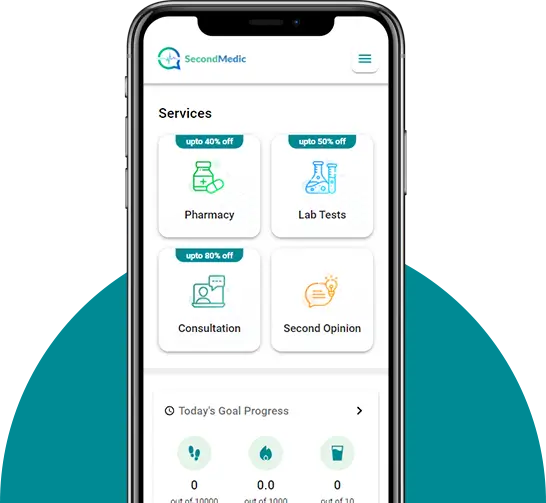
Technology improves accessibility and continuity of preventive care.
Common Reasons People Skip Health Checkups
-
feeling healthy
-
lack of time
-
fear of diagnosis
-
cost concerns
However, delaying checkups often leads to higher costs and complications later.
Health Checkups Across Life Stages
Young adults
Focus on lifestyle risk assessment and baseline health data.
Middle age
Monitoring metabolic health and early disease indicators.
Older adults
Managing chronic conditions and preventing complications.
Each life stage benefits from structured preventive care.
Workplace and Community Impact
Regular health checkups at workplaces and communities:
-
reduce absenteeism
-
improve productivity
-
lower healthcare burden
Lancet workplace health studies show preventive programs deliver measurable benefits within a few years.
Conclusion
Understanding why regular health checkups are important empowers individuals to take proactive control of their health. Regular screenings detect diseases early, prevent complications, reduce healthcare costs and support long-term wellbeing. In a country like India, where lifestyle diseases are rising rapidly, routine health checkups are not optional—they are essential. Prevention through regular monitoring remains one of the most effective investments in lifelong health.
References
-
ICMR – Preventive Screening and Non-Communicable Disease Reports
-
National Family Health Survey (NFHS-5) – Adult Health Awareness Data
-
NITI Aayog – Preventive Healthcare and Health System Sustainability
-
WHO – Early Detection and Preventive Health Guideline
-
Lancet – Impact of Preventive Screening on Disease Outcomes
-
Statista – Preventive Healthcare Adoption Trends India
-
EY-FICCI – Cost Benefits of Preventive Health Checkups