

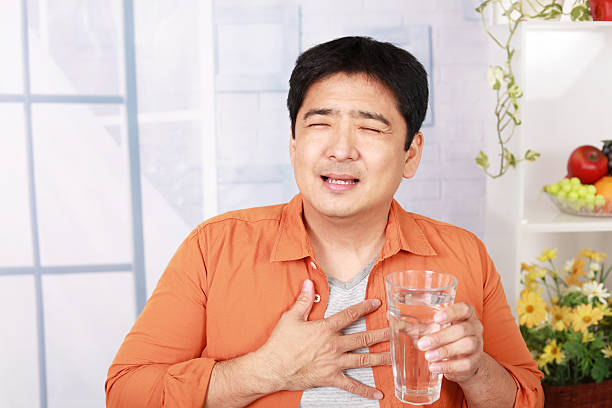
Chest pain after drinking water can be a concerning and uncomfortable experience. You take a sip, and suddenly, you're hit with an unexpected ache. This article will delve into the various reasons why chest pain might occur during or after drinking water and what you can do to alleviate it.
Understanding Chest Pain After Drinking Water
Chest pain after drinking water can be attributed to various factors, and understanding these causes is crucial for finding the right solutions.
Causes of Chest Pain
-
Gastroesophageal Reflux Disease (GERD)- One common cause of chest pain while drinking water is gastroesophageal reflux disease (GERD). This condition occurs when stomach acid flows back into the esophagus, causing irritation and discomfort. Drinking water can temporarily exacerbate this issue.
-
Muscular Strain- Sometimes, chest pain can result from muscular strain. If you've been engaging in physical activities or exercises, you may inadvertently strain the chest muscles. This discomfort can intensify when you swallow water.
Chest Pain While Drinking Water: Possible Reasons
Let's explore some of the specific reasons behind chest pain while drinking water in more detail.
Gastroesophageal Reflux Disease (GERD)
GERD is a digestive disorder that can lead to chest pain. The lower esophageal sphincter (LES) weakens, allowing stomach acid to flow back into the esophagus. This can lead to a burning sensation and chest pain, especially during or after eating and drinking.
Muscular Strain
Muscular strain can result from lifting heavy objects, intense workouts, or even bad posture. The chest muscles may become sore, and when you swallow water, it can trigger pain in the chest area.
Upper Chest Pain After Drinking Water
Upper chest pain after drinking water could be linked to various causes, some of which may be related to the heart or lungs.
Heart-Related Causes
Chest pain in the upper area could be a sign of heart-related issues, such as angina or a heart attack. If you experience severe pain or other symptoms like shortness of breath or dizziness, seek immediate medical attention.
Lung-Related Causes
Lung conditions, such as pleuritis or pneumonia, can also manifest as upper chest pain. If you have a persistent cough, fever, or difficulty breathing along with chest pain, consult a healthcare professional.
How to Alleviate Chest Pain
If you're experiencing chest pain after drinking water, here are some steps you can take to find relief.
Home Remedies
-
Take Small Sips - Instead of gulping down a large amount of water at once, try taking small sips to reduce the likelihood of irritation.
-
Chew Gum- Chewing sugar-free gum can stimulate saliva production, which may help neutralize stomach acid.
-
Sit Upright- Maintaining an upright posture while drinking can prevent stomach acid from flowing back into the esophagus.
When to Seek Medical Attention
If chest pain persists or is severe, it's crucial to consult a medical professional. Chest pain can be a symptom of various serious conditions, and a proper evaluation is essential.
Preventing Chest Pain While Drinking Water
Prevention is always better than cure. To minimize the risk of experiencing chest pain when drinking water, consider the following tips:
-
Stay Hydrated: Sip water throughout the day to prevent excessive thirst that can lead to rapid drinking.
-
Avoid Trigger Foods: Identify foods and beverages that worsen your GERD symptoms and avoid them.
-
Maintain Good Posture: Proper posture can reduce the strain on chest muscles.
-
Regular Exercise: Strengthening your muscles through exercise can help prevent muscular strain.
Conclusion
Chest pain after drinking water can have various causes, from digestive issues like GERD to muscular strain or even more serious heart and lung-related problems. It's important to pay attention to the nature and duration of your chest pain and seek medical help if needed. By following preventive measures and home remedies, you can reduce the risk of chest pain and enjoy a refreshing glass of water without discomfort.