


Did you know that dengue fever is a viral infection transmitted through the sneaky bites of infected mosquitoes? If left untreated, it can lead to severe complications, making early diagnosis and treatment absolutely critical. But don't worry, we've got you covered! In this blog post, we'll dive into the common symptoms of dengue, share effective ways to prevent those pesky mosquito bites, and guide you on the necessary steps to take if you suspect you or someone you know has been affected by this disease. Let's get started!
1. Understanding Dengue Fever:
Dengue fever is caused by the dengue virus, which is primarily transmitted by the Aedes mosquito. The virus has four distinct serotypes, and infection with one serotype provides lifelong immunity to that specific strain but not to the others. Dengue outbreaks are prevalent in tropical and subtropical regions, especially during the monsoon season when mosquito breeding is rampant. Also, you can consult with a doctor to understand the causes of dengue fever. They will help you out with some precautions and tips to prevent yourselves.
2. Warning Signs and Symptoms:
Early detection of dengue symptoms can make a significant difference in managing the disease effectively. The common warning signs include:
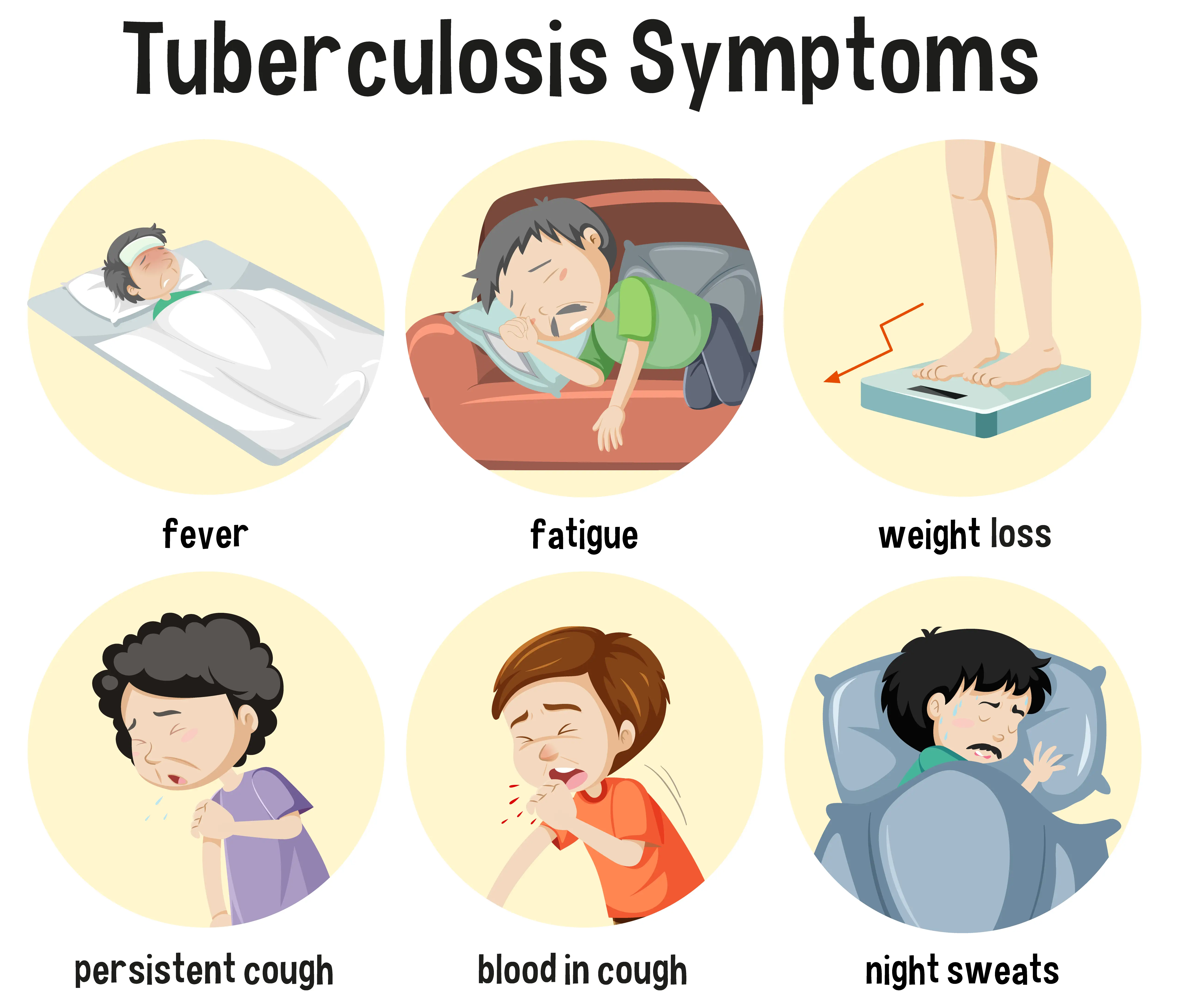
a) High Fever: Sudden onset of high fever, often reaching 104°F (40°C), which can last for several days.
b) Severe Headaches: Intense headaches, particularly behind the eyes, which may worsen with eye movement.
c) Body Aches and Joint Pain: Severe muscle and joint pain, giving dengue the nickname "breakbone fever."
d) Nausea and Vomiting: Feeling nauseous and vomiting may occur, especially in the initial days of infection.
e) Skin Rash: A characteristic rash may develop two to five days after the onset of fever.
f) Mild Bleeding: Bruising and mild bleeding, such as nosebleeds or bleeding gums.
3. Seeking Prompt Medical Attention:
If you or someone you know exhibits these warning signs, it is crucial to seek immediate medical attention. Early diagnosis and appropriate medical care can help prevent the disease from progressing to a severe form known as dengue hemorrhagic fever (DHF) or dengue shock syndrome (DSS), which can be life-threatening.
4. Preventive Measures:
Prevention is the key to reducing the risk of dengue infection. Here are some effective preventive measures:
a) Eliminate Breeding Sites: Regularly inspect and eliminate any stagnant water around your home, as it serves as a breeding ground for mosquitoes.
b) Use Mosquito Repellents: Apply mosquito repellents containing DEET, picaridin, or oil of lemon eucalyptus to exposed skin and clothing.
c) Wear Protective Clothing: When outdoors, wear long-sleeved shirts, long pants, and socks to reduce exposed skin.
d) Install Window Screens: Use window and door screens to prevent mosquitoes from entering your living spaces.
e) Mosquito Nets: Sleep under mosquito nets to ensure a peaceful and protected night's rest.
5. Dengue Diagnosis and Treatment:
If you suspect dengue infection, consult a healthcare professional immediately. They may perform blood tests to confirm the diagnosis. Currently, there is no specific antiviral treatment for dengue, but supportive care can help manage symptoms and prevent complications.
Conclusion:
Being aware of the warning signs of dengue and taking preventive measures can significantly reduce the risk of infection. Early detection and timely medical intervention are essential for a successful recovery. Remember to seek medical attention if you or anyone around you experiences symptoms associated with dengue fever. By staying informed and vigilant, we can collectively combat the spread of dengue and protect ourselves and our communities from this potentially life-threatening disease. Stay safe, stay informed!