

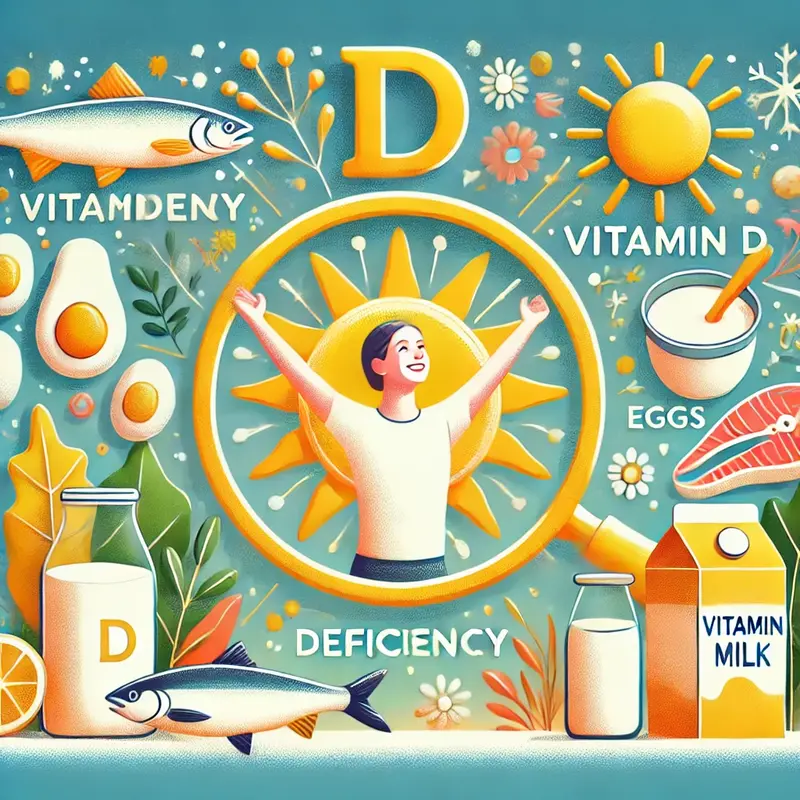
As the chill of winter sets in, many of us find ourselves spending more time indoors. While cozying up by the fire is comforting, limited sun exposure during the colder months can increase the risk of vitamin D deficiency. This essential nutrient plays a critical role in bone health, immune function, and energy levels. Here’s an in-depth look at the causes, symptoms, and effective tips to combat vitamin D deficiency during winter.
What Causes Vitamin D Deficiency in Winter?
Vitamin D deficiency often worsens in winter due to reduced exposure to sunlight. Ultraviolet B (UVB) rays, vital for vitamin D synthesis in the skin, are weaker during this time, especially in higher latitudes. Key contributors include:
-
Limited Sunlight Exposure: Shorter days and staying indoors reduce the chances of absorbing sunlight.
-
Age Factors: Older adults are at greater risk due to thinner skin, which synthesizes less vitamin D.
-
Dietary Gaps: A lack of foods high in vitamin D can exacerbate deficiency.
-
Health Conditions: Disorders affecting fat absorption, such as Crohn’s disease, hinder vitamin D uptake.
Symptoms of Vitamin D Deficiency
Identifying vitamin D deficiency early is crucial for avoiding severe complications. Common symptoms include:
-
Fatigue and Low Energy: A persistent feeling of tiredness is often linked to low vitamin D levels.
-
Bone Pain and Weakness: Insufficient vitamin D can lead to brittle bones and frequent aches.
-
Frequent Illness: A weakened immune system increases susceptibility to colds and infections.
-
Mood Changes: Depression and seasonal affective disorder (SAD) are more prevalent in those with vitamin D deficiency.
-
Slow Wound Healing: Cuts and bruises may take longer to heal, indicating a deficiency.
If you notice these symptoms, especially during winter, it’s essential to consult a healthcare professional.
Best Sources of Vitamin D
Meeting your vitamin D needs is possible through a combination of sunlight, food, and supplements.
1. Foods High in Vitamin D for Winter
Incorporate these nutrient-rich options into your diet:
-
Fatty fish like salmon, mackerel, and sardines.
-
Fortified foods such as milk, orange juice, and cereals.
-
Egg yolks and cheese.
-
Mushrooms are exposed to sunlight.
2. Best Sunlight Time for Vitamin D
The ideal time for sunlight exposure is between 10 AM and 3 PM when UVB rays are most effective. Aim for 15-20 minutes of direct sun exposure daily on your face, arms, and legs. However, this may vary based on skin type and geographical location.
3. Supplements
For those unable to get enough vitamin D naturally, supplements can be a reliable source. Consult a doctor to determine the right dosage, especially for older adults.
How to Boost Vitamin D Naturally During Winter
Maintaining adequate vitamin D levels during winter requires a proactive approach. Here are some actionable tips:
1. Leverage Sunlight
Even in winter, try to spend time outdoors during peak sunlight hours. Activities like walking or gardening can help boost vitamin D synthesis.
2. Adjust Your Diet
Opt for meals rich in vitamin D. For example, grilled salmon paired with fortified orange juice makes an excellent choice for breakfast or lunch.
3. Consider UV Lamps
Special UVB lamps designed for vitamin D production can be a helpful alternative, especially in areas with prolonged winter darkness.
4. Regular Health Check-ups
Monitoring your vitamin D levels through blood tests ensures you’re on track, especially if you’re at risk.
Vitamin D Deficiency in Older Adults During Winter
Older adults are particularly vulnerable due to:
-
Reduced ability to synthesize vitamin D through the skin.
-
Limited mobility, which often restricts outdoor activities.
To combat these challenges:
-
Ensure dietary intake of fortified foods.
-
Encourage light outdoor exercise.
-
Use supplements as prescribed by a healthcare provider.
Winter Tips for Preventing Vitamin D Deficiency
Preventing vitamin D deficiency requires small but consistent efforts:
-
Prioritize Outdoor Activities: Even a short daily walk in the sunlight can help.
-
Enhance Your Diet: Include a variety of vitamin D-rich foods.
-
Stay Informed: Regularly read health blogs like Second Medic for the latest updates on nutrition and wellness.
Conclusion
Vitamin D is essential for maintaining energy, immune health, and overall well-being. By understanding the causes, recognizing the symptoms, and following these winter tips, you can safeguard your health during the colder months. At Second Medic, we offer vitamin D testing and personalized consultations to help you stay at your best. Visit our website to learn more about our services and embrace a healthier winter!