


Virtual health assistants are becoming one of the most impactful innovations in India’s digital healthcare ecosystem. As India continues to experience rapid digital transformation driven by increasing smartphone penetration, telemedicine adoption, and government initiatives like the Ayushman Bharat Digital Mission (ABDM), the need for intelligent, accessible, and scalable healthcare tools is rising sharply. Virtual health assistants, powered by artificial intelligence and natural language processing, are emerging as the front line of digital patient engagement.
These assistants are designed to provide real-time support for symptom checking, health monitoring, patient education, reminders, and navigation of healthcare services. They function as an always-available digital companion, helping users understand their health concerns, track their conditions, and improve overall wellness.
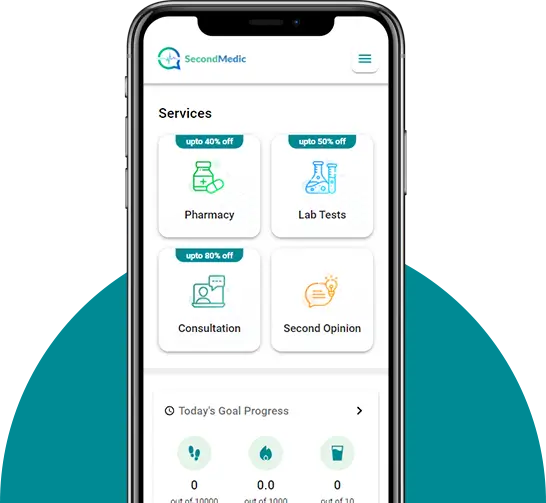
SecondMedic integrates advanced virtual health assistants to enhance patient care, ensuring users receive accurate guidance, timely interventions, and continuous monitoring support.
Why Virtual Health Assistants Are Becoming Essential in India
India’s healthcare system faces several challenges: high patient-doctor ratios, rural access gaps, overwhelming outpatient departments, and limited specialist availability. According to NITI Aayog, India has just one doctor for every 1,511 people, and access disparities are more pronounced in remote regions.
Virtual health assistants bridge these gaps by offering:
-
Instant response to health queries
-
Reliable triage support
-
Symptom risk evaluation
-
Continuous monitoring
-
Reminders and preventive guidance
-
Access to doctors when needed
These tools allow patients to get preliminary support before deciding whether to seek in-person or virtual medical care.
How Virtual Health Assistants Work
Virtual health assistants combine multiple technologies to deliver medically relevant responses.
Key components include:
-
AI and machine learning models
-
Natural language understanding
-
Medical knowledge databases
-
Symptom analysis algorithms
-
Risk prediction tools
-
Integration with wearable or app-based health data
By interpreting patient inputs-such as symptoms, vitals, or lifestyle details-the assistant can provide guided next steps.
Applications in Indian Healthcare
1. Symptom Assessment and Triage
Users can describe their symptoms, and the assistant analyzes patterns to offer risk categories such as low, moderate, or high urgency.
2. Chronic Disease Support
Patients with diabetes, hypertension, asthma, or thyroid disorders receive reminders, alerts, and trend monitoring.
3. Medication and Appointment Reminders
Virtual assistants improve treatment adherence and reduce missed consultations.
4. Mental Wellness Assistance
They offer early emotional support and stress-tracking before connecting users to mental health professionals.
5. Preventive Healthcare Guidance
The assistant suggests screenings, lifestyle changes, and wellness routines based on age, gender, and risk.
Benefits to Patients and Providers
For patients:
-
Reduced anxiety through instant support
-
Lower cost of primary triage
-
Better understanding of symptoms
-
Improved self-care and preventive habits
For doctors:
-
Less time answering repetitive questions
-
Better-prepared patients during consultations
-
AI-generated summaries and insights
-
Improved efficiency in telemedicine workflows
SecondMedic uses virtual assistants to ensure smoother patient journeys, from initial symptom checks to specialist consultations.
Impact on Rural and Remote Communities
Virtual assistants are especially helpful in regions with limited healthcare access. They provide:
-
Local language support
-
Quick triage before travel
-
Guidance on nearby medical facilities
-
Health system navigation
This aligns with India’s goals to expand equitable healthcare access.
Challenges and Considerations
-
Ensuring medical accuracy
-
Avoiding over-reliance
-
Data privacy and encryption
-
Algorithm fairness and bias prevention
SecondMedic follows strict HIPAA-aligned and DPDP Act-compliant standards.
Future of Virtual Health Assistants in India
AI health assistants will evolve to:
-
Integrate genomic data
-
Provide predictive risk alerts
-
Support advanced diagnostics
-
Connect seamlessly with EHRs under ABDM
-
Assist with home-based monitoring devices
The future is a fully connected digital-first healthcare system where virtual assistants are core companions in everyday health management.
Conclusion
Virtual health assistants India are redefining healthcare accessibility by offering intelligent, instant, and personalized support to millions of users. With SecondMedic integrating these tools across its digital ecosystem, patients receive improved guidance, monitoring, and preventive care-empowering them to take control of their health.
To explore digital-first healthcare solutions, visit www.secondmedic.com
References
-
NITI Aayog - Healthcare workforce and digital health reports
-
ABDM (Ayushman Bharat Digital Mission) - National digital health framework
-
Statista - India digital health and AI adoption data
-
IMARC - Telemedicine and AI healthcare market in India
-
WHO - Healthcare AI guidelines
-
SecondMedic medical insights