


Indian hospitals are undergoing a major digital transformation.
From AI-powered diagnostics to IoT-based patient monitoring, the rise of smart hospital technologies is revolutionizing how care is delivered - making it faster, safer, and more personalized.
At the forefront of this change is SecondMedic, a digital health leader helping hospitals adopt next-gen technologies that support clinicians, improve patient outcomes, and enable continuous care.
Understanding Smart Hospitals
Smart hospitals use digital technologies, automation tools, and interconnected systems to deliver efficient and data-driven healthcare.
Core features include:
-
AI-based clinical decision support
-
IoT-connected monitoring devices
-
Integrated Electronic Health Records (EHR)
-
Smart pharmacy & inventory automation
-
Predictive analytics for patient risk
-
Robotics-assisted hospital workflows
These innovations transform hospitals from reactive care centers into intelligent, responsive ecosystems.
Why India Needs Smart Hospital Technologies
India’s healthcare system faces challenges including:
-
Overcrowded hospitals
-
Shortage of specialists
-
High patient loads
-
Fragmented medical data
-
Rising chronic diseases
Smart technologies bridge these gaps by enabling:
-
Faster diagnosis
-
Accurate and real-time monitoring
-
Remote decision-making
-
Reduced manual errors
-
Better resource allocation
According to NITI Aayog (2024), digitally upgraded hospitals improve patient outcomes by 30% due to better data integration and decision support.
Key Smart Hospital Technologies Leading India’s Transformation
1. AI-Powered Diagnostics and Clinical Support
AI analyzes medical reports, symptoms, and imaging to help doctors diagnose faster and more accurately.
Benefits:
-
Reduced diagnostic errors
-
Faster triage and case prioritization
-
Early identification of complications
SecondMedic’s AI engine supports doctors with evidence-based insights and risk scoring across cardiology, diabetes, oncology, and more.
2. IoT-Enabled Patient Monitoring
IoT devices continuously track:
-
Heart rate
-
Blood pressure
-
SpO?
-
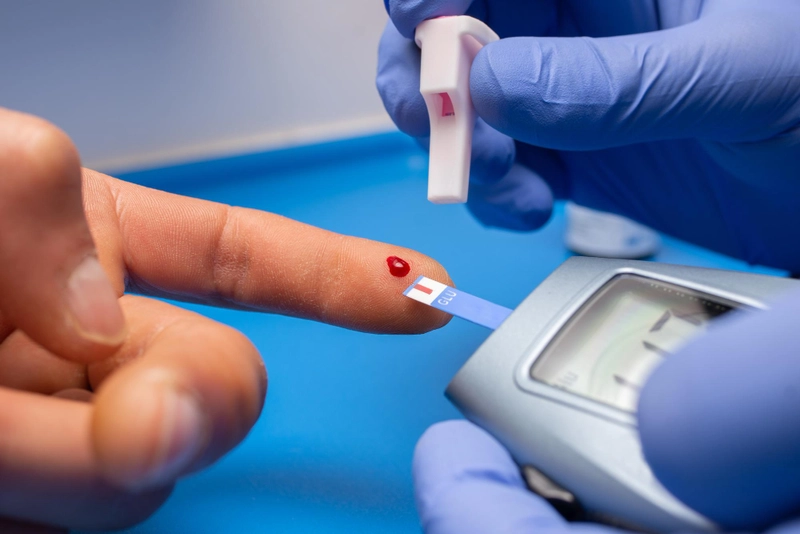
Glucose levels
-
Temperature
These devices send real-time data to nurses and doctors, enabling early alerts and rapid action.
IoT reduces ICU workload and enhances remote monitoring - especially useful for rural and post-discharge care.
3. Electronic Health Records (EHR) Integration
Interconnected EHR systems allow seamless access to:
-
Prescriptions
-
Lab reports
-
Radiology images
-
Medical history
-
Allergies & notes
SecondMedic’s ABDM-ready EHR platform ensures interoperable data sharing across hospitals, labs, and telemedicine services.
4. Automation and Robotics
Smart automation in hospitals includes:
-
Automated medicine dispensers
-
Robotic sterilization
-
Smart scheduling systems
-
Automated patient flow management
This reduces human error and speeds up hospital operations.
5. Telemedicine & Remote Care Integration
Smart hospitals integrate teleconsultations to manage follow-ups, chronic conditions, and remote monitoring.
SecondMedic enables:
-
Virtual rounds
-
E-prescriptions
-
At-home diagnostic scheduling
-
Remote post-op monitoring
Telehealth reduces hospital burden and expands access.
How SecondMedic Supports Smart Hospital Adoption
SecondMedic helps hospitals modernize with:
-
AI-driven clinical tools
-
IoT integration
-
EHR implementation
-
Smart workflow automation
-
Cloud-based health data systems
-
Blockchain-backed security
Its plug-and-play ecosystem allows hospitals of all sizes - from 50-bed facilities to multispecialty hospitals - to adopt smart technologies without infrastructure challenges.
Impact of Smart Technologies on Patient Care
Smart hospitals offer significant advantages:
? Improved Safety
Real-time alerts reduce medication errors and patient deterioration events.
? Faster Response Times
IoT monitoring and AI triage accelerate emergency care.
? Better Staff Efficiency
Automation frees doctors and nurses from administrative overload.
? Enhanced Patient Experience
Predictive analytics ensure personalized care plans and smoother hospital journeys.
India’s Smart Hospital Market Growth
According to IMARC Group (2025):
-
India's smart hospital market will reach USD 75 billion by 2030
-
Key drivers include:
-
ABDM rollout
-
AI adoption in diagnostics
-
Rise of IoT medical devices
-
Digital health demand post-COVID
-
SecondMedic is aligned with this national digital health vision - enabling hospitals across urban and rural regions to adopt modern technologies efficiently.
Challenges in Smart Hospital Adoption
-
High initial investment
-
Limited digital training among staff
-
Slow EHR adoption in smaller clinics
-
Interoperability issues
SecondMedic solves these through:
-
Cloud-based low-cost solutions
-
Staff onboarding programs
-
ABDM-compliant data integration
-
Plug-and-play IoT systems
The Future of Smart Hospitals in India
The next phase of smart healthcare includes:
-
Digital twins for hospital simulations
-
AI surgical assistance
-
Predictive hospital capacity planning
-
Fully automated ICUs
-
Blockchain-based data access
-
Precision medicine powered by genomics
SecondMedic is actively working to integrate these technologies into its ecosystem.
Conclusion
Smart hospital technologies are redefining the future of Indian healthcare.
Through AI, IoT, automation, and digital records, hospitals can deliver safer, faster, and more personalized care.
With its innovative digital health platform, SecondMedic is empowering hospitals nationwide to upgrade their infrastructure and create a connected, intelligent healthcare environment.
Accelerate your hospital’s digital transformation at www.secondmedic.com
References
-
NITI Aayog – Digital Health Blueprint 2024
-
FICCI-EY – Hospital Modernization Report 2024
-
IMARC Group – Smart Hospital Market India 2025–2030
-
ABDM – https://abdm.gov.in
Statista – Healthcare IoT India 2025 Insights