

Heart disease is a leading cause of death across the world, and one of the most silent yet deadly threats is a heart blockage. It often develops slowly and may show subtle signs at first. Recognizing these signs early can make a huge difference in treatment and survival. In this blog, we’ll break down everything you need to know about heart blockage in simple language — from what it is, to the early and serious warning signs you should never ignore.
What is Heart Blockage?
Heart blockage refers to a reduction or complete stoppage of blood flow to the heart muscle, usually caused by a buildup of plaque (a mix of fat, cholesterol, and other substances) in the coronary arteries. This condition is medically known as coronary artery disease (CAD).
When your heart muscles don’t receive enough oxygen-rich blood, it can lead to chest pain, heart attack, or even sudden death.
Why You Shouldn't Ignore Heart Blockage
Your heart is the engine of your body. A blocked artery doesn’t always come with warning bells. Sometimes, symptoms are mild or seem unrelated to the heart, which is why many people ignore them until it’s too late.
Early detection saves lives.
Let’s look at the signs of heart blockage you shouldn't ignore.
Common Signs of Heart Blockage
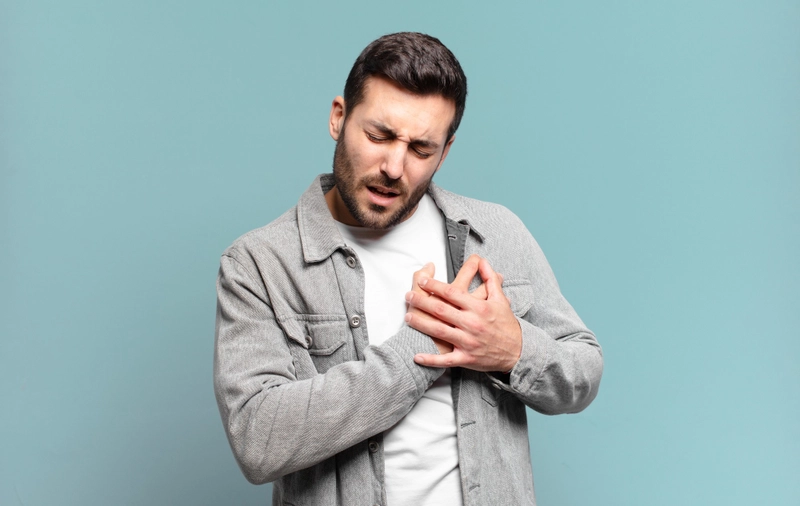
1. Chest Pain or Discomfort (Angina)
This is the most common and recognizable symptom. It may feel like:
-
Tightness
-
Pressure
-
Burning
-
Squeezing in the chest
It can occur during physical activity or emotional stress and usually goes away with rest. Never ignore this sign, especially if it becomes frequent.
2. Shortness of Breath
Do you feel breathless after climbing stairs or walking short distances? That could be a warning sign. When the heart isn't getting enough oxygen, it struggles to pump blood effectively — leaving you gasping for air.
3. Fatigue
Constant tiredness, even after good rest, could be your body signaling a problem with blood flow to your heart.
4. Pain in Other Parts of the Body
Heart blockage pain can also radiate to:
-
Arms (especially left arm)
-
Neck
-
Jaw
-
Shoulder
-
Back
This is especially dangerous as many people assume it's a muscle problem or ignore it completely.
5. Heart Palpitations
If your heart feels like it’s fluttering, pounding, or skipping beats, it could mean the heart is overworking due to restricted blood flow.
Silent Signs in Women
Heart blockage symptoms in women can be very different. Many women don’t experience the classic “chest pain.” Instead, they might feel:
-
Unusual fatigue
-
Indigestion
-
Dizziness
-
Cold sweats
-
Nausea
Because of these non-specific symptoms, women are more likely to dismiss them, increasing their risk.
When to See a Doctor?
You should immediately consult a doctor if you experience:
-
Frequent chest pain
-
Unexplained fatigue
-
Dizziness or fainting
-
Shortness of breath
-
Fast or irregular heartbeat
Don’t wait. A simple test like an ECG, stress test, angiography, or blood test can detect heart issues early.
Lifestyle Changes to Prevent Heart Blockage
Here are some simple but powerful changes to lower your risk:
-
Eat a heart-healthy diet (low in saturated fat, sugar, and salt)
-
Exercise at least 30 minutes a day
-
Quit smoking
-
Limit alcohol
-
Manage stress
-
Monitor blood pressure, cholesterol, and sugar levels regularly
Treatment Options for Heart Blockage
Depending on the severity, your doctor may recommend:
-
Medications: To manage cholesterol, blood pressure, and prevent clots.
-
Angioplasty: A balloon is used to open blocked arteries.
-
Stent Placement: A tiny mesh tube keeps the artery open.
-
Bypass Surgery: A vein from another part of the body is used to bypass the blockage.
Final Thoughts
Heart blockage doesn’t happen overnight. Your body often tries to warn you. The key is to listen to the signals, even if they seem small or unrelated. Don’t wait until it’s too late.
If you or a loved one are experiencing any symptoms mentioned above, please seek medical help immediately. Early action can save your life.
CTA: Don’t take risks with your heart. Learn the “Signs of heart blockage you shouldn't ignore” and take the first step toward a healthier future today.