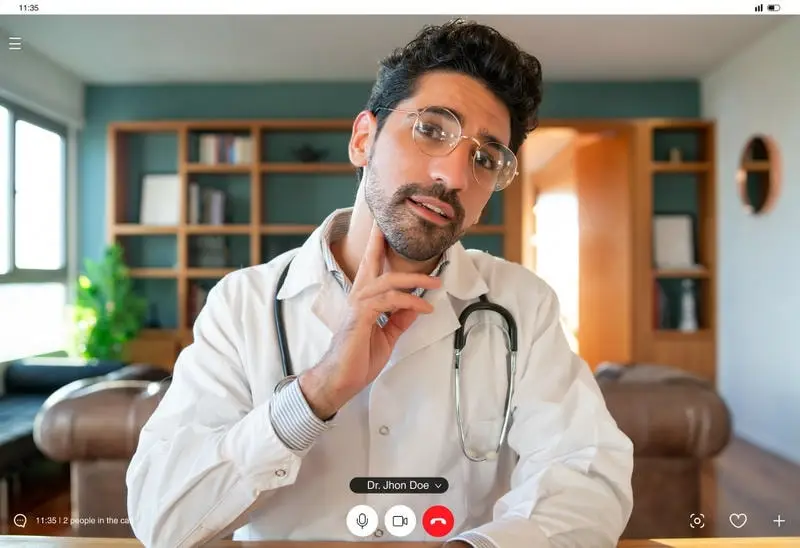


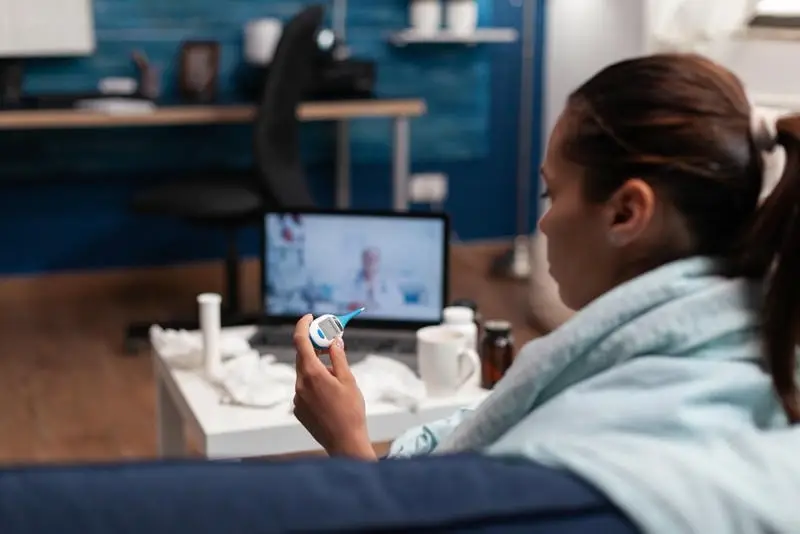
Remote patient monitoring devices have become one of the most essential digital health tools in India’s healthcare revolution. These devices allow continuous tracking of vital parameters such as blood pressure, oxygen saturation, heart rate, respiratory rate, glucose levels, sleep patterns, and physical activity. By transmitting this information to healthcare providers in real time, remote monitoring ensures timely interventions, improved chronic disease management, and enhanced patient safety.
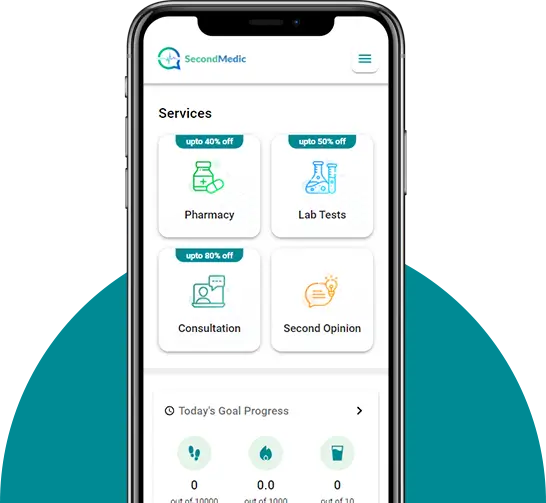
India’s adoption of remote patient monitoring (RPM) devices has accelerated due to the rise of chronic illnesses, increased telemedicine use, and the availability of affordable digital health tools. SecondMedic plays a leading role in integrating RPM devices with AI-driven insights, enabling patients and clinicians to make informed and timely healthcare decisions.
Why India Needs Remote Patient Monitoring Devices
Chronic diseases such as diabetes, hypertension, COPD, and heart disease are among India’s leading health burdens, as documented by NITI Aayog and WHO. These conditions require continuous monitoring, which traditional clinic-based systems cannot provide.
RPM devices bridge this gap by offering:
-
Continuous health tracking
-
Early detection of abnormalities
-
Reduced hospital visits
-
Personalized care insights
-
Better long-term disease management
-
Support for rural and remote populations
SecondMedic integrates these devices into its digital platform, ensuring that both patients and doctors receive accurate and actionable data.
How Remote Patient Monitoring Devices Work
RPM devices use sensors and digital communication technologies to capture, analyze, and transmit vital signals.
The workflow includes:
-
The device collects real-time data from the patient.
-
Data is transmitted through Bluetooth, Wi-Fi, or cloud platforms.
-
AI algorithms detect abnormalities or trends.
-
Doctors receive alerts or periodic reports.
-
Patients receive guidance, reminders, or virtual care instructions.
This enables a continuous care model that fits modern lifestyles.
Common Types of Remote Patient Monitoring Devices in India
1. Smartwatches & Fitness Bands
Track heart rate, sleep, SpO2, steps, stress, and workouts.
2. Blood Pressure Monitors
Provide systolic, diastolic, and pulse rate readings for hypertension management.
3. Glucometers & Continuous Glucose Monitors (CGM)
Essential for diabetic patients, offering real-time glucose insights.
4. Pulse Oximeters
Monitor oxygen saturation and respiratory conditions, widely used post-pandemic.
5. ECG Devices
Portable ECG patches or handheld ECG monitors detect arrhythmias and cardiac abnormalities.
6. Weight & Body Composition Scales
Track metabolic health indicators.
7. Smart Thermometers
Useful for fever and infection monitoring.
8. Sleep Monitoring Devices
Analyze sleep stages, disturbances, and breathing patterns.
SecondMedic supports most medical-grade monitoring devices and integrates them into patient dashboards.
Benefits of Remote Patient Monitoring Devices
1. Early Detection of Health Risks
AI-powered alerts notify doctors and patients before conditions worsen.
2. Reduced Hospital Dependency
RPM helps avoid unnecessary hospital visits and admissions.
3. Mejor Chronic Disease Management
Diabetes, heart disease, and respiratory disorders become easier to manage with continuous tracking.
4. Empowered Patients
Patients gain more control over their health through real-time data insights.
5. Improved Doctor Decision-Making
Doctors receive accurate, long-term data instead of single-visit snapshots.
6. Ideal for Elderly Care
Remote monitoring ensures safety for seniors living independently.
7. Supports Remote and Rural India
RPM bridges the access gap by providing continuous monitoring without hospital proximity.
AI + Remote Monitoring = Predictive Healthcare
SecondMedic uses AI algorithms to enhance RPM devices by:
-
Predicting risks before symptoms appear
-
Identifying unusual patterns in vitals
-
Sending reminders for medication or lifestyle changes
-
Highlighting emergencies in real time
-
Generating trend-based risk reports
This combination moves healthcare from reactive treatment to proactive prevention.
RPM Devices in Post-Surgery and Home Health Care
Remote monitoring is invaluable for patients recovering from surgeries such as cardiac procedures, orthopedic operations, or abdominal surgeries. Doctors can track recovery signs, pain patterns, and vitals without requiring daily hospital visits.
Similarly, patients with limited mobility or chronic neurological conditions benefit from continuous home-based care.
Challenges in India’s RPM Adoption
-
Variations in device quality
-
Connectivity issues in remote areas
-
Need for patient digital literacy
-
Data privacy concerns
-
Lack of clinical integration in traditional hospitals
SecondMedic overcomes these gaps through verified devices, encrypted systems, patient education, and integrated digital workflows.
Future of Remote Patient Monitoring in India
The future includes:
-
AI-enabled home ICUs
-
Advanced wearable sensors
-
Multi-parameter continuous monitoring patches
-
Predictive health dashboards
-
Remote diagnostics integration
-
Unified national health monitoring records under ABDM
SecondMedic is actively building infrastructure for this next generation of connected healthcare.
Conclusion
Remote patient monitoring devices India are redefining healthcare by enabling continuous, real-time, and intelligent health tracking. They support early detection, reduce hospital visits, and empower chronic disease patients with actionable insights. With SecondMedic integrating AI-enhanced RPM solutions, individuals across India can access safer, smarter, and more proactive healthcare.
To explore remote patient monitoring solutions, visit www.secondmedic.com
References
-
NITI Aayog - Digital health and chronic disease reports
-
WHO - Remote monitoring guidelines
-
Statista - India wearable usage trends
-
IMARC - Remote monitoring device market India
-
ABDM - Digital health infrastructure plans
-
SecondMedic medical insights