

Heart disease remains one of the leading causes of death in India. According to the Indian Council of Medical Research (ICMR), cardiovascular diseases account for nearly 28% of total deaths in the country. With rising stress levels, sedentary lifestyles, air pollution exposure, diabetes, hypertension, and delayed diagnosis, the need for better cardiac monitoring has grown significantly. Remote cardiac monitoring India is emerging as a powerful solution to monitor heart health in real time and detect abnormalities before they turn into emergencies.
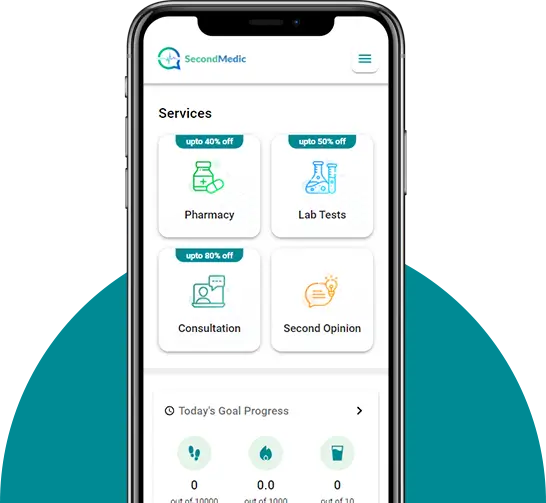
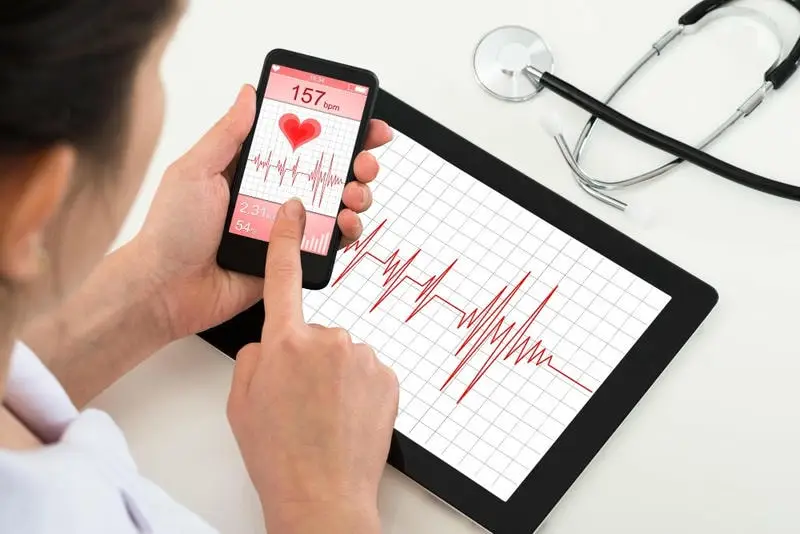
Remote cardiac monitoring involves wearable or portable ECG devices that track heart signals continuously or at regular intervals. These devices transmit data securely to cardiologists or AI-based systems, enabling early detection of arrhythmias, rhythm abnormalities, ischemic patterns, and fluctuations in heart rate variability (HRV). SecondMedic brings cutting-edge remote monitoring options that help patients manage heart-related risks effectively, anytime and anywhere.
Why Remote Cardiac Monitoring Is Becoming Essential in India
India has a disproportionately high cardiac burden. Reports by WHO show that Indians suffer heart attacks at a younger age compared to global averages. Additionally, more than 50% of cardiac patients in India do not recognize early warning signs and reach hospitals late.
Remote cardiac monitoring helps solve these challenges by offering:
-
Early arrhythmia detection
-
Timely identification of heart stress
-
Post-surgery cardiac recovery supervision
-
Reduced hospital dependency
-
Continuous heart rhythm tracking
-
Better outcomes for chronic heart patients
With easy access to digital ECG devices, monitoring is no longer limited to hospitals.
How Remote Cardiac Monitoring Works
Remote cardiac monitoring uses smart ECG patches, chest straps, handheld ECG devices, and even AI-driven wearables. These devices record heart electrical activity or rhythm patterns and transmit the data to:
-
Cardiologists
-
Digital dashboards
-
AI algorithms
-
Care teams
The real-time nature of the data allows immediate response in case of abnormalities.
Core parameters captured include:
-
ECG waveform
-
Heart rate variability (HRV)
-
Arrhythmias (AFib, SVT, PVCs)
-
Tachycardia or bradycardia
-
QT interval abnormalities
-
Stress-related heart rhythm changes
SecondMedic ensures that the captured data is clinically relevant and accessible to both patients and doctors.
Patients Who Benefit Most from Remote Cardiac Monitoring
1. Post-Cardiac Surgery Patients
After angioplasty, bypass surgery, pacemaker implantation, or stent placement, patients require strict monitoring for weeks or months. Remote devices track recovery trends.
2. Individuals With Arrhythmia
Conditions like atrial fibrillation (AFib) require continuous monitoring, as episodes may come and go unpredictably.
3. Patients With Heart Failure
Monitoring helps evaluate worsening symptoms or cardiac stress.
4. High-Risk Individuals
Patients with diabetes, hypertension, obesity, or family history of heart disease benefit from early detection.
5. Elderly and Homebound Patients
Remote monitoring eliminates frequent hospital visits for routine ECG checks.
6. People Experiencing Palpitations
Intermittent symptoms can be captured and analyzed with wearable monitors.
Key Advantages of Remote Cardiac Monitoring
Early Detection Saves Lives
Abnormal rhythms such as atrial fibrillation can go unnoticed and lead to stroke. Remote monitoring detects these in real time.
Avoids Emergency Situations
AI alerts allow doctors to intervene early before symptoms worsen.
Better Long-Term Cardiac Care
Continuous data provides better insights than occasional clinic-based ECGs.
High Accuracy
Medical-grade ECG wearables match hospital-level precision for diagnosis.
Patient Convenience
Patients can monitor their heart health from home, office, or while traveling.
Improved Doctor Decisions
Trend-based cardiac data supports more accurate treatment planning.
Role of AI in Remote Cardiac Monitoring
AI and machine learning models analyze patterns collected from ECG devices.
AI enhances care by:
-
Identifying subtle abnormalities
-
Predicting arrhythmia events
-
Detecting ischemic trends early
-
Classifying ECG signal types
-
Reducing manual interpretation burden
SecondMedic integrates AI-assisted analysis to strengthen cardiac risk evaluation.
Post-Surgery and Rehabilitation Monitoring
Cardiac rehabilitation is crucial after major procedures. Remote monitoring provides:
-
Heart rate control
-
Blood pressure trend tracking
-
Rhythm abnormality detection
-
Activity monitoring
-
Medication adherence support
This reduces readmission rates and supports safer recovery.
Remote Cardiac Monitoring in Rural India
Many small towns lack cardiology specialists or advanced ECG equipment. Remote monitoring bridges this gap by:
-
Connecting patients to cardiologists virtually
-
Providing ECG analysis without hospital visits
-
Reducing delay in diagnosis
-
Supporting long-term monitoring at home
SecondMedic helps democratize heart care access across India.
Challenges and Solutions
Device Accuracy Variability
Solution: Use medical-grade, certified ECG wearables.
Digital Literacy Issues
Solution: Simple interfaces, guided onboarding, multilingual instructions.
Data Security
Solution: End-to-end encrypted data under DPDP Act compliance.
Connectivity Challenges
Solution: Devices with offline sync capabilities.
Future of Remote Cardiac Monitoring in India
The next decade will bring significant advancements:
-
Patch-based continuous ECG devices
-
AI-driven early warning scores
-
Smart pacemaker data integration
-
Multi-day continuous ECG monitoring
-
Predictive arrhythmia detection algorithms
-
Tele-ICU support for remote patients
SecondMedic is actively working to integrate next-generation cardiac monitoring tools into its platform.
Conclusion
Remote cardiac monitoring India is transforming heart care by enabling real-time ECG tracking, early abnormality detection, and continuous cardiologist oversight. This digital-first approach empowers high-risk patients, improves outcomes, and ensures safer long-term cardiac management. SecondMedic’s integrated digital heart monitoring solutions allow patients across India to access expert cardiac care anytime.
To explore remote cardiac monitoring solutions, visit www.secondmedic.com
References
-
ICMR - Cardiovascular disease burden
-
WHO - Early cardiac risk detection
-
NITI Aayog - Digital health innovation in India
-
ABDM - Unified digital health mission
-
Statista - Wearable and ECG device adoption India
-
SecondMedic cardiac care insights