

Pinworm infections, though common, often remain unnoticed until they cause uncomfortable symptoms. In this comprehensive guide, we will delve into the world of pinworms, exploring their causes, symptoms, and effective treatment options for both children and adults. Let's shed light on this itchy truth.
Introduction
Pinworm infection, also known as enterobiasis or oxyuriasis, is a common parasitic infection caused by the tiny, white, and thread-like roundworm, Enterobius vermicularis. This infection predominantly affects children, but adults can also fall prey to these unwelcome visitors.
What Are Pinworms?
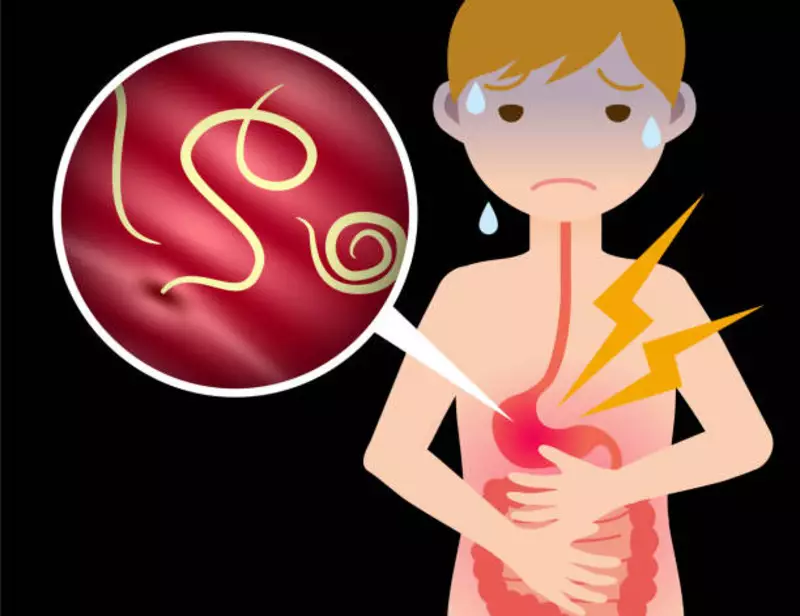
Pinworms are tiny parasites, typically measuring about half an inch in length. These parasites dwell in the lower part of the small intestine and the upper part of the colon. They have a short lifespan but can cause a lot of discomfort during their stay.
Symptoms of Pinworm Infection in Children
1. Itchiness
One of the hallmark symptoms of pinworm infection in children is intense anal itching, primarily occurring at night. This itching is caused by female pinworms laying their eggs in the folds of the skin around the anus.
2. Restlessness
Children infected with pinworms may become restless, especially during the night. The itching sensation disrupts their sleep, making them uncomfortable.
3. Sleep Disturbances
The constant itching can lead to sleep disturbances, which, in turn, can affect a child's overall health and well-being.
4. Irritability
Pinworm infections can cause irritability and mood changes in children. The persistent itching can leave them feeling agitated and anxious.
Symptoms of Pinworms in Adults
1 Anal Itching
Just like in children, adults with pinworm infections may experience anal itching, which can be distressing and embarrassing.
2 Discomfort
The discomfort associated with pinworms can range from mild to severe. It can include abdominal pain and occasional nausea.
3 Insomnia
Adults may also experience insomnia due to itching, affecting their overall quality of life.
Pinworm Disease: Causes and Transmission
Pinworm infections are caused by the ingestion of pinworm eggs. These eggs can be found in contaminated food, water, or on surfaces like doorknobs and toilet seats. When a person touches these contaminated surfaces and then puts their hands in their mouth, they can unknowingly ingest the eggs, leading to an infection.
Pinworm eggs have remarkable resilience, capable of surviving on surfaces for a considerable period, ranging from two to three weeks. This longevity allows them to pose an ongoing risk of transmission, as unsuspecting individuals can inadvertently come into contact with contaminated surfaces, subsequently leading to potential infections. Proper hygiene and regular cleaning of frequently touched areas are essential measures to reduce the risk of pinworm transmission and maintain a hygienic living environment.
Diagnosis of Pinworm Infection
To diagnose a pinworm infection, doctors often use the "tape test." A piece of clear tape is applied to the skin around the anus, and if pinworm eggs are present, they will stick to the tape. The sample is then examined under a microscope for confirmation.
Pinworm Treatment Options
1. Over-the-Counter Medications
Over-the-counter medications are often effective in treating pinworm infections. These medications contain anthelmintic agents that kill the pinworms. They are usually taken in a single dose and may need to be repeated after a few weeks.
2. Prescription Medications
In severe cases or when over-the-counter treatments fail, prescription medications may be necessary. These medications are highly effective and should be taken as directed by a healthcare professional.
3. Natural Remedies
Some individuals prefer natural remedies to treat pinworm infections, such as garlic or pumpkin seeds. However, these methods may not be as effective as conventional medications.
Preventing Pinworm Infections
1. Hygiene Practices
- Encourage regular handwashing, especially before eating and after using the restroom.
- Keep children's fingernails short to reduce the likelihood of pinworm eggs getting trapped under them.
2. Household Cleaning
- Regularly clean and disinfect frequently touched surfaces in your home, such as doorknobs and toilet seats.
- Change and wash bedding, towels, and underwear regularly to prevent reinfection.
3. Education and Awareness
Teaching children about the importance of hygiene and not sharing personal items can go a long way in preventing pinworm infections.
Living with Pinworms: Coping and Support
Living with pinworms can be challenging, but with proper treatment and preventative measures, the infection can be managed effectively. Support and understanding from family and friends are crucial during this time. If you suspect a pinworm infection, seek medical advice promptly.