

Introduction
Hypothyroidism is a common condition characterized by an underactive thyroid gland, leading to various health issues. This comprehensive guide aims to explore the nuances of hypothyroidism, emphasizing the crucial role of diet in managing and supporting thyroid health.
Understanding Hypothyroidism
1 What is Hypothyroidism?
Hypothyroidism occurs when the thyroid gland fails to produce sufficient thyroid hormones, affecting metabolism and overall bodily functions. This section delves into the specifics of the condition, its symptoms, and the importance of early detection.
2 Causes of Hypothyroidism
Exploring the root causes of hypothyroidism is essential for effective management. This section addresses the diverse factors, including autoimmune disorders, iodine deficiency, and genetic predispositions.
The Impact of Diet on Thyroid Health
1 Importance of a Balanced Diet
A well-balanced diet is crucial for overall health, but its significance is amplified for individuals with hypothyroidism. Understanding how dietary choices influence thyroid function is key to developing a sustainable approach to managing the condition.
2 Nutrients Essential for Thyroid Function
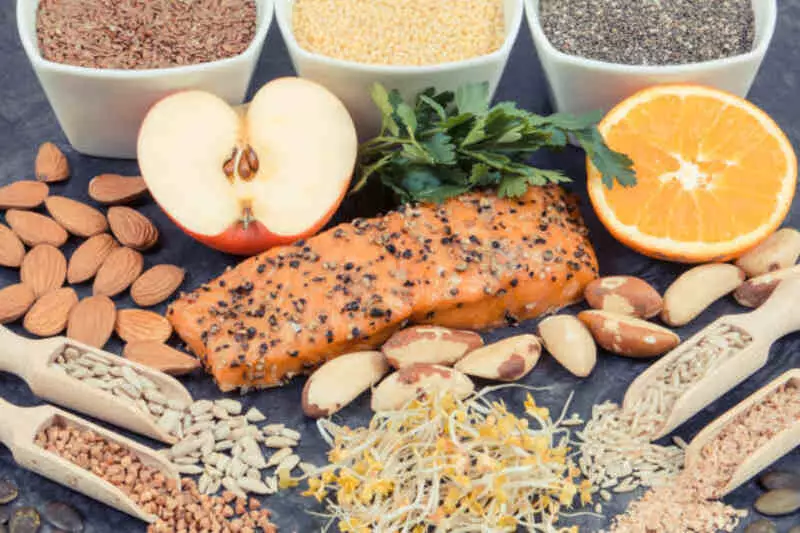
Delving into the specific nutrients necessary for optimal thyroid function, this section highlights the role of iodine, selenium, zinc, and omega-3 fatty acids. A comprehensive understanding of these elements lays the foundation for crafting a thyroid-friendly diet.
Best Foods for Thyroid Patients
1 Iodine-Rich Foods
Iodine is a cornerstone for thyroid hormone production. This section explores sources of iodine, emphasizing the importance of maintaining an adequate but not excessive intake.
2 Selenium-Packed Options
Selenium is another critical mineral for thyroid health. Examining selenium-rich foods and their role in mitigating the symptoms of hypothyroidism provides valuable insights for dietary planning.
3 Incorporating Zinc into Your Diet
Zinc's significance in thyroid function is often overlooked. This section sheds light on zinc-rich foods and their positive impact on thyroid health.
4 Omega-3 Fatty Acids for Thyroid Support
The role of omega-3 fatty acids in reducing inflammation and supporting thyroid function is explored, with a focus on incorporating these essential fats into the hypothyroidism diet.
Crafting a Hypothyroidism-Friendly Meal Plan
1 Breakfast Ideas
Kickstarting the day with thyroid-friendly breakfast options ensures a steady supply of nutrients. This section provides creative and nutritious breakfast ideas tailored for individuals with hypothyroidism.
2 Lunch Choices
Lunch is a crucial meal for sustained energy throughout the day. Discovering lunch options that align with hypothyroidism dietary guidelines promotes overall well-being.
3 Dinner Delights
Dinner choices play a significant role in supporting thyroid function during the night. This section explores dinner recipes that are not only delicious but also beneficial for individuals managing hypothyroidism.
4 Snacking Smartly
Smart snacking is an integral part of a hypothyroidism-friendly meal plan. This section offers snack ideas that provide sustained energy without compromising thyroid health.
The Role of Hydration in Thyroid Function
Understanding the impact of hydration on thyroid function is often underestimated. This section explores the relationship between adequate water intake and optimal thyroid health.
Diets for Underactive Thyroid: Debunking Myths
1 Fad Diets and their Pitfalls
Addressing common misconceptions, this section debunks the myths surrounding fad diets and their potential negative effects on individuals with hypothyroidism.
2 The Importance of Professional Guidance
Navigating the plethora of dietary information can be overwhelming. This section emphasizes the necessity of seeking professional guidance to tailor dietary recommendations to individual needs.
Lifestyle Changes for Managing Hypothyroidism
1 Exercise and Thyroid Health
Regular exercise is a crucial component of a holistic approach to managing hypothyroidism. This section explores suitable exercise routines and their positive impact on thyroid function.
2 Stress Management Techniques
Stress can exacerbate symptoms of hypothyroidism. This section delves into effective stress management techniques to promote overall well-being.
3 Ample Sleep for Thyroid Function
Adequate sleep is often undervalued in thyroid health. This section discusses the importance of a good night's sleep in supporting thyroid function and overall health.
Incorporating Supplements Safely
1 Vitamin D and Thyroid Health
Vitamin D plays a crucial role in immune function and overall health. This section explores the relationship between vitamin D deficiency and hypothyroidism, highlighting the need for supplementation when necessary.
2 Iron Supplements: A Word of Caution
Iron deficiency is common in individuals with hypothyroidism, but supplementing without caution can lead to complications. This section provides insights into safe iron supplementation practices.
Conclusion,
This comprehensive guide aims to empower individuals with hypothyroidism with knowledge and practical strategies to optimize their health through a balanced diet, lifestyle changes, and, when necessary, appropriate supplementation. Always consult with a healthcare professional for personalized advice tailored to individual needs.