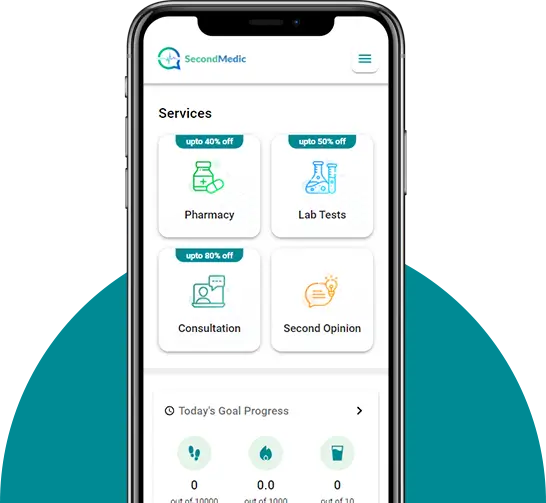



Healthcare systems worldwide are shifting from reactive treatment models to proactive prevention strategies. One of the most effective approaches in this transition is rewarding individuals who actively manage their health. Lower premiums for health score achievers represent a powerful incentive-based model that aligns personal wellbeing with financial benefits.
In India, rising healthcare costs and increasing lifestyle disease burden have made preventive healthcare an economic necessity rather than a choice.
What Is a Health Score?
A health score is a measurable indicator of an individual’s overall health risk profile. It is calculated using objective health parameters and lifestyle behaviours.
Common components include:
-
body mass index (BMI)
-
blood pressure
-
blood sugar levels
-
cholesterol profile
-
physical activity levels
-
smoking and alcohol habits
-
preventive screening compliance
These metrics reflect long-term health risk more accurately than age alone.
Why Insurance Premiums Are Linked to Health Risk
Insurance operates on risk assessment.
Higher health risk leads to:
-
increased claim frequency
-
higher treatment costs
Lower risk individuals:
-
require fewer hospitalisations
-
have lower chronic disease burden
Linking premiums to health scores creates a fair, data-driven system.
The Growing Burden of Lifestyle Diseases in India
According to ICMR and NFHS-5:
-
diabetes affects over 100 million Indians
-
hypertension impacts nearly one in four adults
-
obesity rates continue to rise
These conditions significantly increase insurance claims and employer healthcare expenses.
How Health Score–Based Premiums Work
Health score models typically involve:
-
baseline health assessment
-
regular preventive screenings
-
lifestyle tracking
-
periodic score updates
Individuals who improve or maintain good scores qualify for:
-
premium discounts
-
wellness rewards
-
enhanced coverage benefits
Benefits for Individuals
Lower premiums for health score achievers provide:
-
financial savings
-
motivation for healthy habits
-
greater health awareness
-
early disease detection
The model empowers individuals to take control of their health.
Benefits for Employers
For organisations, this approach:
-
reduces healthcare costs
-
lowers absenteeism
-
improves productivity
-
strengthens wellness culture
EY-FICCI corporate wellness studies highlight incentive-based models as highly effective.
Benefits for Insurers
Insurers benefit through:
-
reduced claim frequency
-
predictable risk profiles
-
long-term customer retention
Preventive models are more sustainable than reactive care.
Encouraging Preventive Screenings
Health score systems strongly promote:
-
regular health checkups
-
early detection of risk factors
-
timely medical intervention
NITI Aayog emphasises preventive screening as the most cost-effective healthcare strategy.
Behaviour Change Through Incentives
People are more likely to adopt healthy behaviours when:
-
outcomes are measurable
-
rewards are tangible
Lower premiums transform wellness from an obligation into a benefit.
Addressing Concerns Around Fairness
Ethical health score models:
-
protect medical privacy
-
focus on improvement, not perfection
-
allow personalised targets
The goal is progress, not penalisation.
Role of Digital Health Platforms
Digital health tools support:
-
health data tracking
-
personalised recommendations
-
continuous monitoring
These platforms make health scoring transparent and actionable.
Long-Term Impact on Public Health
Over time, health score–linked incentives:
-
reduce chronic disease prevalence
-
ease healthcare system burden
-
improve population health outcomes
WHO recognises incentive-based prevention as a key public health strategy.
Shifting Mindsets from Treatment to Prevention
Traditional healthcare focuses on illness.
Health score models:
-
reward wellness
-
prioritise early action
-
normalise preventive behaviour
This shift is essential for sustainable healthcare.
Challenges and Solutions
Challenges include:
-
awareness gaps
-
engagement consistency
Solutions involve:
-
education
-
leadership participation
-
simple, achievable targets
Success depends on long-term commitment.
Why This Model Is the Future of Wellness
With rising healthcare costs, prevention-driven insurance is inevitable.
Lower premiums for health score achievers align:
-
individual motivation
-
organisational goals
-
insurer sustainability
Everyone benefits when health improves.
Conclusion
Lower premiums for health score achievers represent a transformative approach to healthcare and insurance. By rewarding preventive care, healthy lifestyles and early risk management, this model reduces long-term costs while improving quality of life. In a country facing a growing burden of lifestyle diseases, incentivising wellness is not just smart economics—it is essential for building a healthier, more sustainable future.
References
- Indian Council of Medical Research (ICMR) – Lifestyle Disease and Risk Assessment
- National Family Health Survey (NFHS-5) – Adult Health Indicators
- World Health Organization (WHO) – Preventive Health and Risk Reduction
- NITI Aayog – Health Insurance and Preventive Care Models
- EY-FICCI – Corporate Wellness and Insurance Incentive Reports