

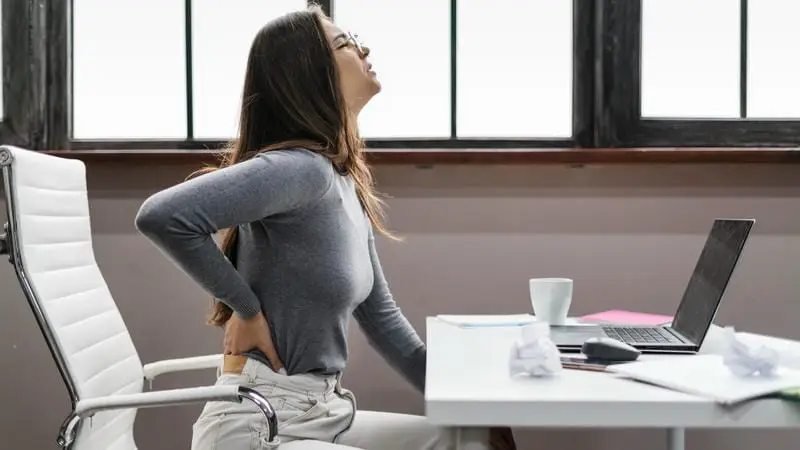
Back pain is one of the most common health complaints across all age groups. While injuries and medical conditions can cause back pain, a large proportion of cases are linked to everyday habits such as prolonged sitting, poor posture, lack of physical activity and improper body mechanics. The good news is that many people can significantly reduce back pain by making simple lifestyle changes.
Understanding which habits strain the spine and how to correct them is the first step toward long-term relief.
Why Lifestyle Plays a Major Role in Back Pain
The spine is designed for movement and balance. Modern lifestyles, however, often involve:
-
long hours of sitting
-
minimal physical activity
-
excessive screen use
-
poor posture
Over time, these habits weaken supporting muscles and overload spinal structures, leading to pain.
Common Lifestyle Factors That Trigger Back Pain
Prolonged Sitting
Sitting for long periods increases pressure on the lower back.
Without movement, muscles become stiff and weak, increasing discomfort.
Poor Posture
Slouching or leaning forward strains the spine.
Incorrect posture places uneven pressure on discs and muscles.
Lack of Physical Activity
Weak core and back muscles fail to support the spine properly.
Inactivity increases the risk of stiffness and injury.
Excess Body Weight
Additional weight increases stress on the spine, especially the lower back.
Improper Lifting Techniques
Bending incorrectly or lifting heavy objects strains back muscles.
Effective Lifestyle Changes to Ease Back Pain
Improve Sitting Posture
Maintain:
-
straight back
-
shoulders relaxed
-
feet flat on the floor
Use a chair that supports the lower back.
Take Regular Movement Breaks
Avoid sitting continuously for long periods.
Stand, stretch or walk for a few minutes every 30–60 minutes.
Strengthen Core Muscles
Core muscles support spinal stability.
Gentle exercises such as:
-
pelvic tilts
-
bridges
-
abdominal strengthening
help reduce back strain.
Stay Physically Active
Low-impact activities improve back health.
Examples include:
-
walking
-
swimming
-
yoga
Movement keeps muscles flexible and strong.
Practice Safe Lifting Techniques
When lifting:
-
bend at the knees
-
keep the object close to the body
-
avoid twisting
Proper technique prevents injury.
Maintain a Healthy Body Weight
Weight management reduces load on the spine and joints.
Even modest weight reduction can ease back pain.
Improve Sleep Posture
Sleeping positions affect spinal alignment.
Tips:
-
use a supportive mattress
-
avoid sleeping on the stomach
-
keep the spine neutral
Good sleep posture supports recovery.
Manage Stress Levels
Stress causes muscle tension, especially in the back and neck.
Relaxation techniques such as breathing exercises help reduce pain.
Stay Hydrated
Spinal discs need hydration to maintain flexibility.
Adequate fluid intake supports disc health.
Role of Ergonomics in Back Pain Relief
Workplace ergonomics are essential for back health.
Adjust:
-
chair height
-
desk level
-
screen position
Proper ergonomics reduce repetitive strain.
Why Rest Alone Is Not Enough
While short rest may help during acute pain, prolonged rest weakens muscles and delays recovery.
Balanced activity promotes healing.
When Lifestyle Changes May Not Be Enough
Seek medical advice if:
-
pain persists beyond a few weeks
-
pain radiates to legs
-
numbness or weakness occurs
-
daily activities become difficult
Early evaluation prevents complications.
Long-Term Benefits of Lifestyle-Based Back Care
Sustained lifestyle changes lead to:
-
reduced pain frequency
-
improved mobility
-
stronger muscles
-
better posture
-
enhanced quality of life
Prevention is easier than treatment.
Building Back-Friendly Daily Habits
Consistency matters more than intensity.
Small changes practiced daily bring lasting relief.
Conclusion
Back pain is often the result of everyday habits rather than serious disease. Making mindful lifestyle changes—such as improving posture, staying active, strengthening core muscles, managing weight and practising proper body mechanics—can significantly ease back pain and prevent recurrence. Long-term back health depends on consistency, awareness and movement. By adopting back-friendly habits today, individuals can protect their spine and enjoy better mobility and comfort for years to come.
References
-
World Health Organization (WHO) – Musculoskeletal Health Guidelines
-
Indian Council of Medical Research (ICMR) – Back Pain and Lifestyle Studies
-
Lancet – Low Back Pain and Global Health Burde
-
Indian Journal of Orthopaedics – Spine Health and Pain Management
-
National Institute of Musculoskeletal Health – Back Care Recommendation
-
Statista – Back Pain Prevalence and Lifestyle Trends