

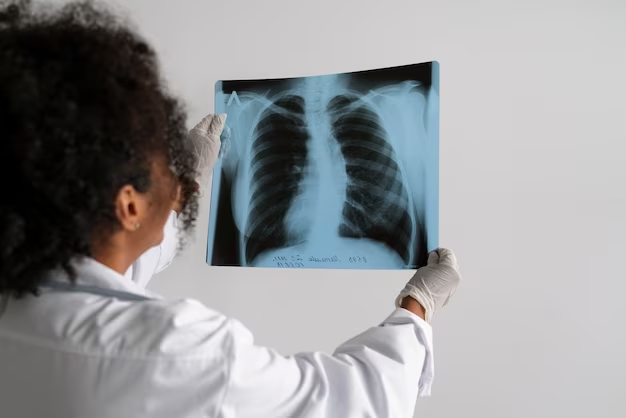
Hearing the phrase “prominent bronchovascular markings” on a chest X-ray can sound alarming, especially for patients who were not expecting anything unusual in their reports. Many people immediately assume it means serious lung disease, permanent damage, or an infection. In reality, the finding itself is not a diagnosis. It is a radiological observation describing how the blood vessels and airway-related structures appear on imaging.
In many cases, mildly prominent bronchovascular markings are linked to temporary inflammation, smoking exposure, respiratory infections, allergies, pollution, asthma, or chronic airway irritation. Sometimes the finding is entirely incidental and clinically insignificant. In other situations, it may point toward an underlying respiratory or cardiac condition that needs further evaluation.
The important question is not simply whether the markings are present, but why they are appearing more prominent than expected.
In India, respiratory imaging abnormalities have become increasingly common due to rising pollution exposure, smoking, urban congestion, industrial dust exposure, recurrent respiratory infections, and post-viral lung inflammation. Pulmonologists frequently notice mild chest X-ray abnormalities even in younger adults who have prolonged exposure to traffic pollution, second-hand smoke, or untreated allergies.
Another reason patients panic unnecessarily is because chest X-ray terminology often sounds more serious than the actual clinical picture. Many radiology reports are written for doctors, not patients. Terms like “prominent bronchovascular markings,” “mild bilateral infiltrates,” or “peribronchial thickening” may simply indicate airway irritation rather than severe disease.
“One of the biggest mistakes patients make is treating an X-ray phrase as the final diagnosis,” says Pulmonologist at SecondMedic. “Bronchovascular prominence can occur for multiple reasons, ranging from simple viral inflammation to chronic smoking-related airway changes. The clinical context matters far more than the wording alone.”
What Are Bronchovascular Markings?
Bronchovascular markings refer to the visible pattern created by:
- bronchi (airways)
- pulmonary blood vessels
- surrounding lung structures
These markings naturally appear on chest imaging. They become described as “prominent” when they look more visible, denser, or exaggerated than usual.
This may happen because of:
- airway inflammation
- increased blood flow
- mucus-related changes
- chronic irritation
- infection
- smoking-related lung changes
Importantly, prominent bronchovascular markings do not automatically mean lung damage.
Can Prominent Bronchovascular Markings Be Prevented?
Sometimes yes, especially when the underlying causes are lifestyle-related or inflammatory.
Prevention focuses less on the X-ray itself and more on reducing chronic irritation to the lungs and airways.
1. Avoid Smoking and Passive Smoke Exposure
Smoking remains one of the most common causes of chronic airway irritation.
Over time, cigarette smoke:
- inflames airway linings
- increases mucus production
- damages lung tissue
- alters airway visibility on imaging
Even passive smoke exposure can worsen respiratory inflammation, especially in children and older adults.
Pulmonologists frequently observe chronic bronchitic changes and exaggerated bronchovascular patterns in smokers long before severe symptoms appear.
2. Reduce Exposure to Air Pollution
Urban Indian pollution levels significantly affect respiratory health.
People exposed daily to:
- traffic pollution
- construction dust
- industrial smoke
- biomass fuel smoke
- poorly ventilated indoor air
often experience chronic low-grade airway irritation.
This becomes especially relevant in cities where prolonged PM2.5 exposure contributes to:
- chronic cough
- wheezing
- allergic airway inflammation
- reduced lung function
Patients with asthma or allergy-prone lungs may notice worsening symptoms during winter pollution peaks.
A 34-year-old marketing professional from Delhi consulted SecondMedic after repeated chest infections and persistent cough during winter months. His chest imaging showed mild prominent bronchovascular markings associated with chronic airway irritation and pollution exposure. Symptom improvement occurred only after asthma treatment, pollution precautions, and smoking cessation.
3. Treat Respiratory Infections Properly
Repeated or untreated respiratory infections can temporarily increase bronchovascular prominence.
This is commonly seen after:
- viral infections
- bronchitis
- pneumonia
- COVID-19
- chronic sinus infections
Persistent coughing and inflammation may make airway-related structures appear more noticeable on imaging.
Many patients repeatedly self-medicate with cough syrups or antibiotics without proper evaluation, allowing airway irritation to persist for weeks.
4. Control Asthma and Allergies
Poorly controlled asthma frequently causes airway inflammation.
Patients with chronic allergic tendencies may experience:
- wheezing
- recurrent cough
- mucus production
- chest tightness
- airway thickening
When inflammation persists for long periods, imaging changes may become more noticeable.
Preventive asthma management often includes:
- inhaler compliance
- trigger avoidance
- pollution reduction
- allergy treatment
- regular pulmonary follow-up
5. Maintain Better Lung Health Overall
Lung health is strongly influenced by lifestyle patterns.
Several habits help reduce chronic respiratory irritation:
- regular physical activity
- breathing exercises
- adequate hydration
- avoiding smoking
- managing obesity
- timely vaccination
- treating acid reflux if present
Many patients are surprised to learn that untreated acid reflux can worsen chronic cough and airway irritation over time.
When Prominent Bronchovascular Markings Need Further Evaluation
Not every chest X-ray finding is harmless.
Doctors usually investigate further if the X-ray changes are associated with symptoms such as:
- persistent cough
- breathlessness
- wheezing
- chest pain
- unexplained fever
- recurrent infections
- blood in sputum
- weight loss
Additional testing may include:
- CT scan
- pulmonary function testing
- oxygen assessment
- sputum evaluation
- cardiac assessment
- infection screening
This helps determine whether the finding is temporary, inflammatory, chronic, or linked to another condition.
The Bigger Problem: Over-Googling X-Ray Reports
One of the most common problems today is patients reading radiology reports without medical interpretation.
Chest imaging findings are highly context-dependent. A mild abnormality in a smoker with chronic cough means something different than the same finding in a healthy young adult recovering from a viral infection.
Doctors interpret chest imaging alongside:
- symptoms
- oxygen levels
- physical examination
- smoking history
- infection history
- medical conditions
This is why isolated Google searches often create unnecessary anxiety.
Common Myths vs Facts
| Myth | Fact |
|---|---|
| “Prominent bronchovascular markings mean lung failure.” | In many cases, the finding is mild and related to inflammation or irritation. |
| “Every abnormal chest X-ray indicates serious disease.” | Many chest imaging findings are temporary or clinically insignificant. |
| “Only smokers develop lung changes.” | Pollution, allergies, asthma, and infections also affect lung imaging. |
| “Antibiotics can fix all chest X-ray abnormalities.” | Treatment depends on the underlying cause, not the X-ray wording alone. |
| “If symptoms improve, follow-up is unnecessary.” | Some patients still require monitoring depending on history and risk factors. |
When Should You See a Pulmonologist?
Consult a doctor if:
- cough lasts more than 2-3 weeks
- breathing difficulty develops
- wheezing persists
- recurrent chest infections occur
- chest pain develops
- there is unexplained fatigue
- oxygen levels drop
- smoking history is significant
- symptoms worsen despite treatment
Early evaluation helps identify whether the issue is:
- asthma
- chronic bronchitis
- infection
- allergy-related inflammation
- smoking-related lung disease
- early chronic lung disease
Conclusion
SecondMedic helps patients consult verified pulmonologists and respiratory medicine specialists online for chronic cough, abnormal chest X-rays, asthma, wheezing, breathing difficulty, smoking-related lung symptoms, and post-infection respiratory concerns. Patients can discuss imaging reports, respiratory symptoms, and further investigations with qualified specialists from home without unnecessary delays.