


Preventive healthcare is most effective when it is accessible, timely and convenient. Yet, many working professionals delay routine health checkups due to time constraints, lack of awareness or inconvenience. An In-Hub Health Screening Day addresses these barriers by bringing diagnostic services directly into the workplace or designated health hubs.
By integrating onsite screening into corporate and community environments, organisations can significantly improve early disease detection, health awareness and long-term wellbeing.
What Is an In-Hub Health Screening Day?
An In-Hub Health Screening Day is a structured preventive healthcare initiative where diagnostic tests and health assessments are conducted onsite within:
-
corporate offices
-
co-working spaces
-
industrial hubs
-
community health centres
Employees or participants can undergo essential health screenings without leaving the premises.
Why Preventive Screening Matters
According to Indian Council of Medical Research and National Family Health Survey data:
-
a large percentage of adults have undiagnosed hypertension
-
diabetes and cholesterol imbalance often remain silent
-
lifestyle diseases are rising among working-age populations
Preventive screening detects risks early, before complications develop.
The Challenge with Traditional Health Checkups
Despite awareness, many individuals delay health checkups due to:
-
busy schedules
-
travel time to diagnostic centres
-
fear of discovering illness
-
lack of immediate symptoms
Onsite screening removes these barriers.
How In-Hub Health Screening Days Improve Participation
Convenience
Health checks conducted at the workplace significantly increase participation rates.
Minimal Work Disruption
Employees can complete screening during work hours without taking leave.
Immediate Health Awareness
Onsite screening sparks conversations around health and prevention.
Normalisation of Preventive Care
When screening becomes routine, preventive healthcare becomes a shared culture.
Common Tests Conducted During In-Hub Screening Days
Typical screenings may include:
-
blood pressure measurement
-
blood sugar testing
-
lipid profile
-
BMI and body composition analysis
-
haemoglobin and nutritional markers
Test selection is tailored to workforce demographics and risk profiles.
Early Detection Saves Lives
Many serious conditions show no symptoms in early stages.
Onsite screening helps identify:
-
pre-diabetes
-
early hypertension
-
abnormal cholesterol
-
kidney or liver function irregularities
Early detection enables lifestyle modification and timely medical care.
Benefits for Employees
Improved Health Awareness
Employees gain insight into their current health status.
Reduced Anxiety About Health
Knowing health numbers encourages proactive action.
Early Intervention
Small health changes detected early prevent major complications.
Increased Trust in Employer Wellness Efforts
Onsite screening demonstrates genuine commitment to employee wellbeing.
Benefits for Employers
Reduced Absenteeism
Early care reduces sick days and long-term illness.
Improved Productivity
Healthy employees perform better and sustain energy levels.
Lower Healthcare Costs
Preventive screening reduces expensive late-stage treatments.
Stronger Wellness Culture
Health becomes part of organisational values, not an afterthought.
Role of Diagnostics in Preventive Healthcare
Diagnostics are the foundation of preventive medicine.
According to WHO and NITI Aayog:
-
screening is among the most cost-effective health interventions
-
early diagnosis significantly reduces disease burden
In-hub diagnostics bring this foundation closer to people.
Integrating Screening with Ongoing Health Support
Screening days are most effective when combined with:
-
medical consultations
-
digital health reports
-
follow-up guidance
-
lifestyle counselling
This ensures screening results translate into action.
Importance of Data-Driven Health Insights
Aggregated, anonymised screening data helps organisations:
-
understand workforce health trends
-
design targeted wellness programs
-
monitor preventive health outcomes
Data-driven wellness strategies deliver higher impact.
Frequency of In-Hub Health Screening Days
Recommended frequency:
-
once annually for general screening
-
twice annually for high-risk populations
Screening frequency should align with workforce age and health profile.
Best Practices for Successful Screening Days
To maximise impact:
-
communicate clearly before the event
-
ensure privacy and confidentiality
-
offer clear result explanations
-
provide follow-up support
Employee trust is essential for participation.
Long-Term Impact on Workforce Health
Organisations that implement regular screening observe:
-
improved early diagnosis rates
-
reduced lifestyle disease progression
-
stronger engagement with wellness initiatives
-
sustainable productivity gains
Preventive care delivers measurable returns.
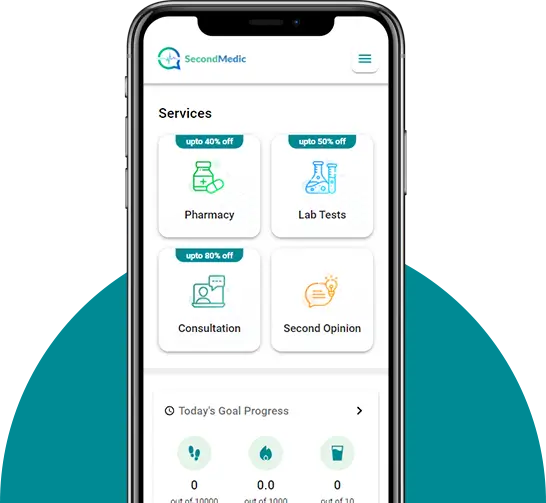
Leveraging SecondMedic Diagnostic Services
SecondMedic enables seamless In-Hub Health Screening Days through:
-
reliable diagnostic testing
-
structured preventive screening packages
-
digital report access
-
integration with ongoing preventive care programs
By leveraging SecondMedic diagnostic services, organisations can deliver high-quality preventive healthcare without operational complexity.
Learn more at:
https://www.secondmedic.com/
Conclusion
An In-Hub Health Screening Day is a powerful preventive healthcare intervention that brings diagnostics directly to the workplace. By improving accessibility, increasing participation and enabling early detection, onsite screening strengthens both employee health and organisational resilience. When combined with trusted diagnostic services and follow-up care, In-Hub Health Screening Days become a cornerstone of effective, sustainable wellness strategies. Investing in preventive diagnostics today builds a healthier, more productive workforce for the future.
References
- Indian Council of Medical Research (ICMR) – Preventive Screening and NCD Reports
- National Family Health Survey (NFHS-5) – Undiagnosed Disease Prevalence Data
- World Health Organization (WHO) – Preventive Healthcare and Screening Guidelines
- NITI Aayog – Workplace Wellness and Preventive Health Reports
- Lancet – Early Detection and Disease Prevention Studies
- EY-FICCI – Corporate Wellness and Productivity Impact Reports