


Healthcare is most effective when it focuses on prevention rather than cure. In India, where lifestyle diseases are rising rapidly, preventive health checkups have become a critical tool for protecting long-term wellbeing. These routine screenings help identify potential health issues early, often before symptoms appear, allowing individuals to take timely action.
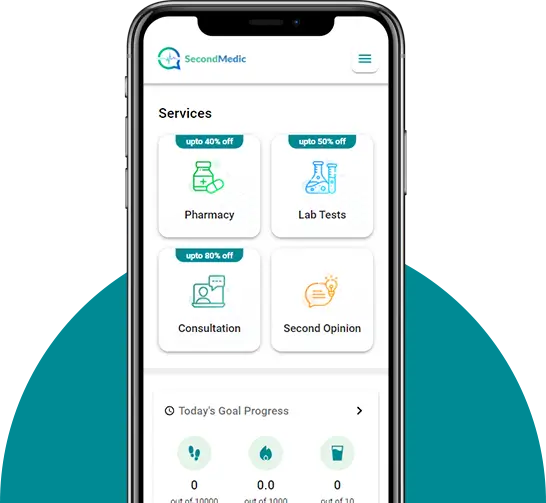
SecondMedic promotes preventive healthcare by combining diagnostic screenings, expert consultations and AI Health Guide insights to help individuals stay informed and proactive about their health.
Why Preventive Health Checkups Are Essential in India
1. Rising burden of lifestyle diseases
According to ICMR and NFHS-5 data:
-
over 100 million Indians live with diabetes
-
hypertension affects nearly one in four adults
-
obesity rates continue to rise
Many of these conditions remain undiagnosed for years because they progress silently.
2. Late diagnosis increases complications
Diseases detected at an advanced stage require more aggressive and expensive treatment. Preventive checkups catch abnormalities early, when interventions are simpler and more effective.
3. Changing lifestyles and work patterns
Sedentary jobs, stress, irregular eating habits and poor sleep increase health risks even among younger adults.
4. Genetic and family history risks
Individuals with a family history of diabetes, heart disease or cancer benefit greatly from regular screening.
What Are Preventive Health Checkups?
Preventive health checkups are planned medical evaluations designed to assess overall health and identify risk factors. They typically include:
• Blood tests
Assess blood sugar, cholesterol, liver and kidney function.
• Hormonal tests
Evaluate thyroid and metabolic balance.
• Nutritional assessments
Detects vitamin D, B12 and iron deficiencies.
• Cardiac screening
Blood pressure measurement, ECG and lipid profile.
• Urine analysis
Check kidney health and infection markers.
• Cancer screening (age-appropriate)
Pap smears, mammography, PSA tests and stool tests.
These tests provide a comprehensive snapshot of health status.
Key Benefits of Preventive Health Checkups
1. Early detection of diseases
Many serious conditions show no symptoms initially. Regular screening helps identify them early.
2. Reduced healthcare costs
WHO studies show that early diagnosis can reduce long-term treatment costs by up to 60%.
3. Better disease management
Early-stage conditions respond better to lifestyle changes and minimal medication.
4. Improved quality of life
Preventive care helps maintain energy, productivity and mental wellbeing.
5. Peace of mind
Knowing your health status reduces anxiety and uncertainty.
Conditions Commonly Detected Through Preventive Checkups
Diabetes and Prediabetes
Fasting glucose and HbA1c detect abnormal sugar levels early.
Heart Disease Risk
Cholesterol and blood pressure screening identify cardiovascular risk.
Thyroid Disorders
Hormonal imbalances affecting weight, mood and metabolism.
Kidney and Liver Issues
Often asymptomatic in early stages but detectable through blood and urine tests.
Nutritional Deficiencies
Vitamin D and B12 deficiencies are widespread in India and affect immunity and bone health.
Early Cancer Indicators
Age-appropriate screening improves survival rates significantly.
How Often Should Preventive Health Checkups Be Done?
Adults aged 18–30
Every 1–2 years, depending on lifestyle and family history.
Adults aged 30–45
Annual checkups recommended.
Adults above 45
Annual or bi-annual screenings, including cardiac and cancer tests.
High-risk individuals
More frequent monitoring as advised by doctors.
The Role of AI in Preventive Healthcare
AI has enhanced the effectiveness of preventive health checkups.
• Risk prediction
AI identifies patterns across reports that may signal future disease risk.
• Trend analysis
Tracks changes in health parameters over time.
• Personalised recommendations
Tailors diet, exercise and lifestyle guidance.
• Clinical decision support
Helps doctors interpret complex data efficiently.
SecondMedic’s AI Health Guide integrates these capabilities to strengthen preventive care outcomes.
How SecondMedic Makes Preventive Health Checkups Easier
SecondMedic offers a seamless preventive care experience:
• Curated health checkup packages
Designed for different age groups and risk profiles.
• Home sample collection
Convenient and hygienic testing from home.
• NABL-accredited partner labs
Ensures accuracy and reliability of results.
• Expert report interpretation
Doctors explain results in clear, actionable terms.
• Preventive care plans
Includes nutrition, fitness and follow-up recommendations.
Common Myths About Preventive Health Checkups
Myth 1: Checkups are only needed when sick
Most serious diseases are silent initially.
Myth 2: Young people do not need screening
Lifestyle risks affect all age groups.
Myth 3: Preventive tests are expensive
They reduce long-term medical expenses significantly.
Myth 4: One test is enough
Health changes over time, requiring regular monitoring.
Long-Term Impact of Preventive Health Checkups
According to NITI Aayog and WHO, widespread preventive screening can:
-
reduce disease burden
-
improve life expectancy
-
lower national healthcare costs
-
improve workforce productivity
Preventive health checkups are a cornerstone of sustainable healthcare systems.
Conclusion
Understanding the importance of preventive health checkups is key to building a healthier future. Early detection, timely intervention and informed lifestyle choices significantly reduce disease risk and improve quality of life. With expert guidance, digital tools and AI-powered insights, SecondMedic makes preventive healthcare accessible, proactive and effective for individuals across India.
References
-
ICMR – Non-Communicable Disease Screening Guidelines
-
National Family Health Survey (NFHS-5) – Health Indicators and Trends
-
NITI Aayog – Preventive Healthcare and Digital Health Reports
-
WHO – Early Detection and Preventive Care Guidelines
-
Lancet – Impact of Preventive Screening on Disease Outcomes
-
Statista – Preventive Healthcare Adoption in India
-
EY-FICCI – Healthcare Cost Reduction Through Prevention