

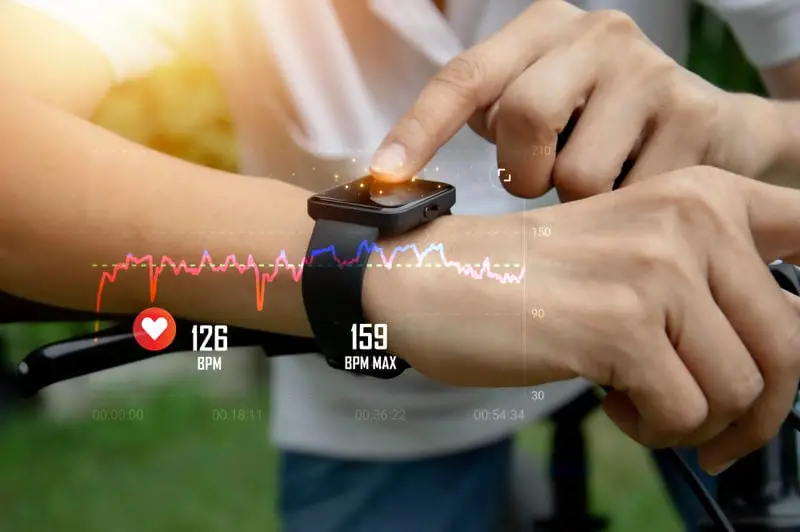
Digital health technology is transforming the way people monitor and manage their wellbeing. Among the most impactful innovations are wearable health devices. Understanding how wearable devices improve health monitoring reveals how real-time data, early alerts and continuous tracking support preventive healthcare.
In India, smartphone adoption and digital connectivity have increased significantly. According to NITI Aayog and industry reports, digital health tools are rapidly integrating into preventive healthcare systems. Wearable devices are at the forefront of this transformation.
What Are Wearable Health Devices?
Wearable devices include:
-
fitness trackers
-
smartwatches
-
continuous glucose monitors
-
smart rings
-
heart rhythm monitors
These devices collect physiological data through embedded sensors.
Key Health Metrics Monitored
1. Heart Rate Monitoring
Wearables track:
-
resting heart rate
-
heart rate variability
-
abnormal rhythm patterns
Irregular heart rhythm alerts can prompt early medical consultation.
Cardiovascular diseases remain a leading cause of mortality in India, according to ICMR reports.
2. Sleep Tracking
Devices monitor:
-
sleep duration
-
sleep stages
-
interruptions
Poor sleep quality is linked to obesity, diabetes and mental health disorders.
3. Physical Activity
Step count, calorie burn and movement tracking encourage:
-
regular exercise
-
reduced sedentary time
-
improved metabolic health
WHO recommends at least 150 minutes of moderate physical activity weekly.
4. Blood Oxygen Monitoring
Pulse oximetry sensors measure oxygen saturation levels, useful in respiratory monitoring.
5. Blood Glucose Monitoring
Continuous glucose monitors provide real-time blood sugar data for individuals with diabetes.
NFHS-5 data highlights rising diabetes prevalence, making such tools valuable.
Benefits of Wearable Health Monitoring
Real-Time Feedback
Users can immediately observe health changes and adjust behaviour.
Early Risk Detection
Abnormal readings prompt early consultation, reducing complications.
Encouragement of Healthy Habits
Daily step goals and reminders motivate consistent movement.
Improved Chronic Disease Management
Patients with:
-
diabetes
-
hypertension
-
heart conditions
benefit from continuous tracking.
Supporting Preventive Healthcare
Preventive healthcare relies on:
-
early detection
-
lifestyle monitoring
-
regular screening
Wearables complement traditional medical checkups by filling gaps between visits.
Integration with Digital Health Platforms
Wearable data can sync with:
-
telemedicine services
-
digital medical records
-
health apps
This allows doctors to review trends remotely.
Accuracy and Limitations
Wearables provide trend-based data but are not replacements for clinical tests.
Users should:
-
consult doctors for abnormal readings
-
avoid self-diagnosis
-
use devices as supplementary tools
Professional evaluation remains essential.
Mental Health Monitoring
Some wearables track:
-
stress levels
-
breathing patterns
-
heart rate variability
Stress monitoring supports early mental health intervention.
Corporate Wellness and Wearables
Many organisations encourage employees to use wearables to:
-
track activity
-
participate in wellness challenges
-
monitor health metrics
This promotes preventive culture.
Role in Ageing Population
Older adults benefit from:
-
fall detection features
-
heart rhythm alerts
-
medication reminders
Wearables enhance safety and independence.
Data-Driven Health Decisions
Continuous data collection allows:
-
pattern recognition
-
early symptom detection
-
lifestyle adjustment
Health becomes measurable.
Privacy and Data Security
Users should:
-
choose trusted brands
-
understand data policies
-
protect personal health information
Security is vital in digital health.
Long-Term Health Impact
Consistent wearable use encourages:
-
regular movement
-
improved sleep hygiene
-
better diet awareness
These behaviours reduce chronic disease risk.
Future of Wearable Health Technology in India
With expanding digital health infrastructure, wearable devices will likely integrate with:
-
AI-driven health analysis
-
remote consultations
-
preventive screening programs
Technology enhances accessibility.
Conclusion
Understanding how wearable devices improve health monitoring highlights their role in preventive healthcare. By tracking heart rate, sleep, activity and other vital signs in real time, wearables empower individuals to take proactive control of their health. While they do not replace medical diagnosis, they serve as powerful tools for early detection, lifestyle improvement and chronic disease management. As digital health adoption grows in India, wearable technology will continue to play a crucial role in building healthier communities.
References
- World Health Organization (WHO) – Digital Health and Physical Activity Guidelines
- Indian Council of Medical Research (ICMR) – Cardiovascular and Diabetes Reports
- National Family Health Survey (NFHS-5) – Diabetes and Hypertension Data
- NITI Aayog – Digital Health Strategy Reports
- Lancet – Digital Health and Wearable Technology Research