

Air pollution has become one of the most serious public health challenges worldwide. Rapid urbanisation, industrial activity, vehicle emissions and environmental degradation have significantly reduced air quality in many regions. Breathing polluted air affects every organ system, but the respiratory system is the first and most directly impacted.
Understanding how air pollution impacts respiratory health is crucial for preventing long-term lung damage and protecting vulnerable populations.
What Is Air Pollution?
Air pollution refers to the presence of harmful substances in the air, including:
-
particulate matter (PM2.5 and PM10)
-
nitrogen dioxide
-
sulphur dioxide
-
ozone
-
carbon monoxide
These pollutants originate from traffic, industries, burning fuels and natural sources.
How Polluted Air Enters the Respiratory System
Every breath introduces air directly into the lungs.
Pollutants:
-
irritate airway lining
-
penetrate deep into lung tissue
-
enter the bloodstream through alveoli
This direct exposure makes the respiratory system highly vulnerable.
Immediate Effects of Air Pollution on Breathing
Short-term exposure can cause:
-
coughing
-
throat irritation
-
shortness of breath
-
chest tightness
-
wheezing
These symptoms often worsen during high pollution days.
Long-Term Effects on Respiratory Health
Reduced Lung Function
Chronic exposure decreases lung capacity and elasticity, making breathing less efficient.
Increased Risk of Asthma
Air pollution:
-
triggers asthma attacks
-
increases asthma development in children
Asthma symptoms worsen in polluted environments.
Chronic Obstructive Pulmonary Disease (COPD)
Long-term exposure increases the risk of COPD, characterised by persistent airflow limitation and breathing difficulty.
Increased Lung Infections
Pollution weakens lung defence mechanisms, increasing susceptibility to respiratory infections.
Lung Cancer Risk
Certain air pollutants are carcinogenic and increase lung cancer risk with prolonged exposure.
Impact on Children’s Respiratory Health
Children are especially vulnerable because:
-
their lungs are still developing
-
they breathe more air relative to body size
-
they spend time outdoors
Exposure can impair lung growth and increase lifelong respiratory disease risk.
Impact on Elderly Individuals
Age-related lung changes combined with pollution exposure increase:
-
breathing difficulty
-
hospitalisation risk
-
severity of existing lung disease
Indoor Air Pollution and Respiratory Health
Indoor pollution sources include:
-
cooking smoke
-
tobacco smoke
-
dust and mould
-
cleaning chemicals
Poor indoor air quality can be as harmful as outdoor pollution.
How Air Pollution Triggers Inflammation
Pollutants cause:
-
airway inflammation
-
oxidative stress
-
immune response disruption
Chronic inflammation leads to tissue damage and disease progression.
Warning Signs That Should Not Be Ignored
Seek medical advice if experiencing:
-
persistent cough
-
frequent respiratory infections
-
worsening asthma symptoms
-
breathlessness at rest
-
chest pain
Early evaluation prevents long-term damage.
How to Reduce Respiratory Risk from Air Pollution
Monitor Air Quality
Check air quality indexes and limit outdoor activity on high pollution days.
Improve Indoor Air Quality
-
ensure ventilation
-
reduce smoke exposure
-
use clean cooking methods
Use Protective Measures
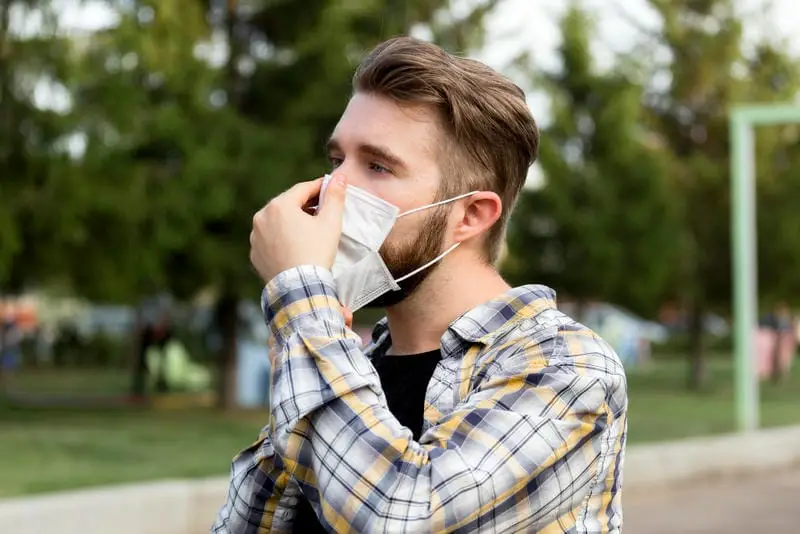
Masks may reduce inhalation of harmful particles during severe pollution.
Support Lung Health
-
stay physically active indoors
-
maintain balanced nutrition
-
stay hydrated
Healthy lungs tolerate stress better.
Role of Public Health Measures
Reducing air pollution requires:
-
cleaner energy use
-
emission control
-
urban planning
Individual prevention works best alongside policy action.
Why Awareness Matters
Understanding pollution-related risks helps:
-
encourage protective behaviour
-
reduce exposure
-
support early diagnosis
Informed individuals make healthier choices.
When to Consult a Doctor
Medical evaluation is advised if:
-
breathing problems persist
-
symptoms worsen during pollution exposure
-
existing lung conditions become unstable
Early care reduces complications.
Conclusion
Air pollution poses a significant threat to respiratory health, affecting breathing, lung function and long-term disease risk. Both short-term exposure and chronic inhalation of polluted air damage airways and weaken lung defences. Understanding how air pollution impacts respiratory health empowers individuals to take preventive measures, reduce exposure and seek timely medical care. Protecting respiratory health requires a combination of personal awareness, healthy habits and collective action to improve air quality for future generations.
References
-
World Health Organization (WHO) – Air Quality and Respiratory Health Guideline
-
Indian Council of Medical Research (ICMR) – Air Pollution and Lung Health Reports
-
National Centre for Disease Control (NCDC) – Environmental Health Studie
-
Lancet Planetary Health – Air Pollution and Respiratory Disease Researc
-
Indian Journal of Respiratory Medicine – Pollution-Related Lung Disorders
-
Statista – Air Quality and Public Health Trends