

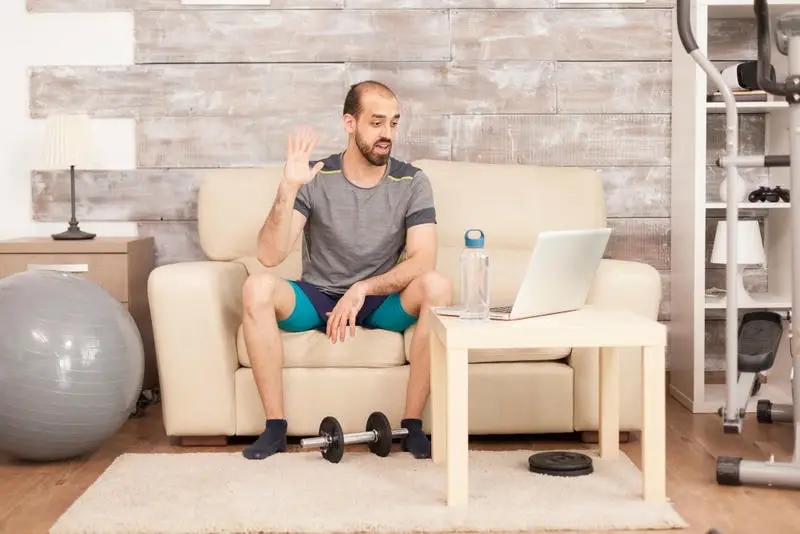
Modern lifestyles have dramatically increased the amount of time people spend sitting. Desk-based jobs, long commutes, screen-based entertainment and remote work have made prolonged sitting a daily norm. While sitting itself is not harmful, sitting for extended periods without movement has emerged as a major health risk. Understanding health problems caused by sitting too long is essential for preventing chronic diseases and protecting long-term wellbeing.
According to the Indian Council of Medical Research (ICMR) and global health studies, prolonged sedentary behaviour is now recognised as an independent risk factor for multiple non-communicable diseases, even among people who exercise regularly.
What Happens to the Body When You Sit Too Long
The human body is designed for movement. When sitting continues for hours:
-
muscle activity drops sharply
-
calorie burning slows
-
blood circulation becomes sluggish
-
insulin sensitivity decreases
These changes trigger metabolic and cardiovascular stress.
Major Health Problems Caused by Sitting Too Long
1. Increased Risk of Heart Disease
Prolonged sitting reduces blood flow and affects lipid metabolism.
Consequences include:
-
higher bad cholesterol levels
-
reduced good cholesterol
-
increased blood pressure
WHO identifies sedentary behaviour as a significant contributor to cardiovascular disease.
2. Higher Risk of Type 2 Diabetes
Muscle inactivity affects glucose uptake.
Long sitting hours lead to:
-
insulin resistance
-
elevated blood sugar levels
ICMR studies show that sedentary behaviour increases diabetes risk regardless of body weight.
3. Obesity and Weight Gain
Sitting burns very few calories.
Combined with:
-
frequent snacking
-
irregular meals
this promotes fat accumulation and metabolic imbalance.
4. Poor Posture and Back Pain
Sitting for long periods strains the spine.
Common issues include:
-
lower back pain
-
neck stiffness
-
shoulder tension
-
spinal misalignment
Poor posture worsens musculoskeletal stress over time.
5. Weakened Muscles and Joints
Prolonged sitting leads to:
-
reduced muscle strength
-
stiff hip flexors
-
weakened core muscles
This increases the risk of injuries and mobility issues.
6. Poor Blood Circulation
Lack of movement slows venous return from the legs.
This may cause:
-
swollen feet and ankles
-
varicose veins
-
increased risk of blood clots
Regular movement supports healthy circulation.
7. Digestive Problems
Sitting compresses abdominal organs.
This contributes to:
-
constipation
-
bloating
-
slowed digestion
Movement stimulates gut motility and digestion.
8. Increased Risk of Certain Cancers
Research published in the Lancet links prolonged sitting with increased risk of:
-
colon cancer
-
endometrial cancer
Sedentary behaviour affects inflammation and hormonal regulation.
9. Mental Health Effects
Prolonged sitting is associated with:
-
increased stress
-
low mood
-
reduced energy
Physical inactivity affects brain chemistry and emotional regulation.
Sitting Too Long and Office Culture
Office environments are a major contributor to prolonged sitting.
Challenges include:
-
long meetings
-
screen-focused tasks
-
limited movement breaks
Workplace sedentary behaviour significantly impacts employee health and productivity.
Why Exercise Alone Is Not Enough
Many people believe that regular workouts cancel out sitting-related risks.
However:
-
long uninterrupted sitting has independent health effects
-
even active individuals face risks if sitting dominates the day
Health experts recommend combining exercise with frequent movement breaks.
Warning Signs of Excessive Sitting
Common early signs include:
-
stiffness after sitting
-
frequent back or neck pain
-
fatigue
-
poor concentration
-
weight gain despite exercise
Ignoring these signs allows damage to accumulate.
Preventive Strategies to Reduce Sitting-Related Health Risks
Take Regular Movement Breaks
Stand, stretch or walk every 30–60 minutes.
Incorporate Active Work Habits
-
standing desks
-
walking meetings
-
stretching during calls
Increase Daily Physical Activity
Regular walking, yoga or cycling supports metabolic health.
Improve Ergonomics
Proper chair height, screen level and posture reduce strain.
Reduce Screen Leisure Time
Limit recreational screen use after work hours.
Role of Preventive Healthcare
Preventive healthcare focuses on:
-
identifying inactivity-related risks
-
monitoring metabolic markers
-
encouraging lifestyle modification
NITI Aayog highlights reducing sedentary behaviour as a national health priority.
Long-Term Impact of Reducing Sitting Time
Reducing prolonged sitting leads to:
-
improved heart health
-
better blood sugar control
-
reduced pain and stiffness
-
improved mental wellbeing
-
lower chronic disease risk
Small changes in daily movement patterns produce significant long-term benefits.
Conclusion
Health problems caused by sitting too long develop quietly but progressively. Prolonged inactivity increases the risk of heart disease, diabetes, obesity, musculoskeletal pain and poor mental health. In a world dominated by screens and desk-based work, movement is not optional—it is essential. Breaking up sitting time with regular movement is one of the simplest and most effective preventive health strategies available today.
References
-
ICMR – Physical Activity and Lifestyle Disease Report
-
National Family Health Survey (NFHS-5) – Sedentary Behaviour and Health Dat
-
NITI Aayog – Preventive Healthcare and Physical Activity Strategy
-
WHO – Sedentary Behaviour and Non-Communicable Disease Guidelines
-
Lancet – Prolonged Sitting and Chronic Disease Research
-
Statista – Sedentary Lifestyle Trends India
-
EY-FICCI – Workplace Health and Inactivity Impact Reports