


Digital healthcare in India is evolving at an unprecedented pace. The growing adoption of telemedicine, artificial intelligence, remote patient monitoring, and national digital health systems marks a major shift toward technology-enabled care. With India’s disease burden rising and healthcare access still uneven across regions, digital transformation is no longer optional-it is essential.
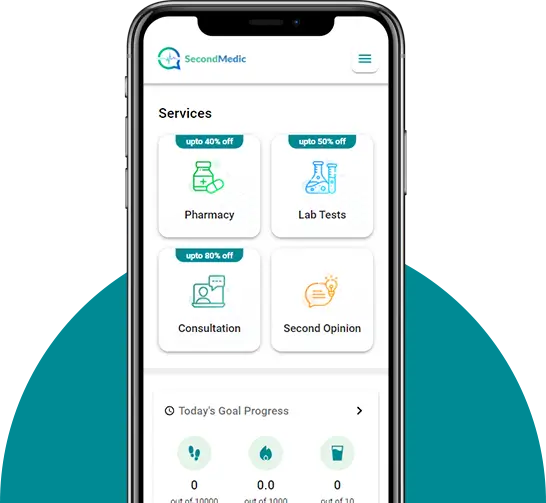
SecondMedic is at the forefront of this shift, integrating AI-driven diagnostics, telehealth, digital records, and preventive health intelligence to build a seamless, patient-centric healthcare ecosystem. This blog explores what the future looks like for digital healthcare in India, supported by real statistics and emerging national frameworks.
India’s Rising Need for Digital Healthcare
High Disease Burden
India faces one of the world’s highest burdens of chronic diseases.
According to the ICMR-NCD Burden Report, India has:
• Over 100 million diabetics
• Nearly 200 million people with hypertension
• Rapidly increasing cardiovascular disease rates
• Rising cases of kidney disease and cancer
Managing these conditions requires continuous monitoring, early detection, and seamless follow-ups-areas where digital health solutions excel.
Access Challenges
NFHS-5 shows that:
• Over 65% of India’s population lives in rural areas
• Specialist availability is concentrated in urban centers
• Diagnostic delays remain common
Digital healthcare bridges this gap by providing accessible solutions regardless of geography.
Healthcare Infrastructure Strain
NITI Aayog reports that India has:
• A doctor-to-population ratio of 1:1511
• Uneven distribution of medical resources
• Overcrowded tertiary hospitals
Digital tools help reduce hospital load, improve efficiency, and enable faster decision-making.
The Growth of Telemedicine in India
Telemedicine adoption surged during COVID-19 and continues to rise.
According to an EY-FICCI study:
• Teleconsultations increased by 300% during the pandemic
• Over 70% of patients prefer hybrid or digital-first care
Telemedicine offers:
• Reduced travel costs
• Shorter waiting times
• Access to top specialists from any location
• Better follow-up adherence
SecondMedic uses AI-assisted triage to route patients to the right specialist and ensure faster consultations.
AI-Powered Healthcare: The Next Leap
Artificial intelligence will define the next era of digital healthcare.
AI in Diagnostics
AI tools interpret:
• X-rays
• MRIs
• CT scans
• Pathology results
They detect abnormalities early and provide automated insights.
A Lancet study shows AI can detect some radiology patterns with accuracy comparable to specialists.
Predictive Analytics for Prevention
AI models use:
• Vitals
• Lifestyle data
• Medical history
• Wearable data
to predict risks such as heart attacks, glucose spikes, asthma flare-ups, or kidney decline before they occur.
Personalised Treatment
AI personalizes treatment plans by analysing diverse data points such as:
• Age
• Comorbidities
• Lab trends
• Lifestyle habits
• Medication response
This precision approach reduces complications and improves quality of life.
Remote Monitoring and Home-Based Care
Remote patient monitoring (RPM) is one of India’s fastest-growing digital health segments.
RPM devices track:
• Blood pressure
• Blood glucose
• Oxygen saturation
• Heart rate
• Sleep patterns
Data is analysed continuously, and alerts are generated for early intervention.
According to WHO Healthy Ageing Reports, continuous monitoring can reduce emergency hospital visits by 20-30% for chronic patients.
SecondMedic’s remote monitoring programs integrate AI to triage abnormalities instantly.
Digital Health Records and ABDM
The Ayushman Bharat Digital Mission (ABDM) is transforming India’s health data infrastructure.
Key components include:
• Unique Health ID
• Unified Health Interface (UHI)
• Interoperable Digital Health Records
These enable:
• Seamless data sharing
• Faster consultations
• Accurate diagnoses
• Better continuity of care
NITI Aayog's Digital Health Blueprint highlights how integrating AI with digital records will strengthen population health management and national disease surveillance.
Wearables, Apps and Personal Health Tech
India is one of the fastest-growing markets for health wearables.
A Statista HealthTech analysis shows:
• Wearable penetration in India has grown by over 110% in 3 years
• Smartwatches and fitness bands are now integral to daily health tracking
When integrated with digital health platforms, wearables offer:
• Real-time vitals
• Lifestyle analytics
• Sleep insights
• Stress monitoring
• Activity-based recommendations
This data allows personalised coaching and preventive interventions.
The Road Ahead: What the Future Looks Like
Digital-First Hospitals
Future hospitals will integrate:
• AI-enabled triage
• Robotics-assisted surgeries
• Automated lab systems
• Centralised digital dashboards
Nationwide Interoperability
A fully digital record ecosystem will ensure seamless data movement across hospitals, labs, pharmacies and telehealth platforms.
Preventive Intelligence
AI-driven health scoring and early risk prediction will shift healthcare from treatment to prevention.
Health-at-Home Ecosystem
Home diagnostics, virtual ICUs and long-term remote care will reduce hospital burden.
Conclusion
The future of digital healthcare in India is shaped by powerful advancements in AI, telemedicine, digital health records, remote monitoring and personalised care systems. As India continues expanding its digital health infrastructure under ABDM, the healthcare system will become more accessible, efficient and preventive.
SecondMedic plays a pivotal role in this transformation by integrating AI intelligence, telehealth services, predictive analytics and continuous monitoring into a unified care ecosystem. The next decade will mark the shift from episodic treatment to continuous, digital-first healthcare for every Indian.
References
• ICMR Non-Communicable Disease Burden & Risk Factors Study
• National Family Health Survey (NFHS-5), Ministry of Health & Family Welfare
• NITI Aayog - National Digital Health Blueprint & Digital Health Report
• Lancet Digital Health Research - AI and Diagnostics in India
• WHO Healthy Ageing & Remote Care Guidelines
• EY-FICCI Digital Health & Telemedicine Adoption Report
• Statista India HealthTech & Wearables Growth Analysis