

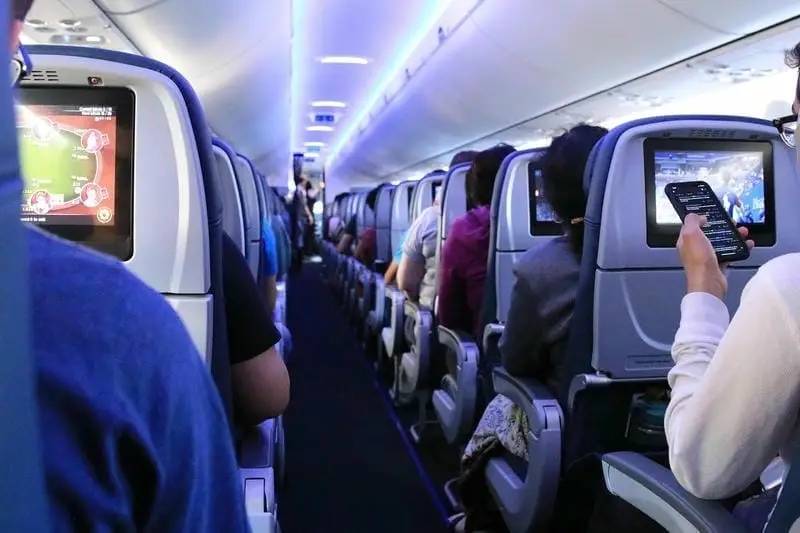
Sleep problems are increasingly common in modern society, and one major contributor is prolonged exposure to digital screens. Smartphones, laptops, tablets and televisions emit blue light, a type of visible light that strongly influences the body’s internal clock. Understanding the effects of blue light on sleep cycle is essential for improving sleep quality and long-term health.
In India, rising screen time across all age groups has coincided with increasing complaints of insomnia, delayed sleep and daytime fatigue.
What Is Blue Light?
Blue light is part of the visible light spectrum with a short wavelength and high energy.
Sources include:
-
sunlight
-
mobile phones
-
laptops and tablets
-
LED lights
-
televisions
Daytime blue light is beneficial, but nighttime exposure creates problems.
The Body’s Natural Sleep Cycle
The sleep-wake cycle is regulated by the circadian rhythm, an internal clock controlled by the brain.
This rhythm responds to:
-
light exposure
-
darkness
-
daily activity patterns
Melatonin, a hormone released in darkness, signals the body to prepare for sleep.
How Blue Light Affects Melatonin
Blue light directly suppresses melatonin production.
When exposed at night:
-
the brain perceives it as daytime
-
melatonin release is delayed
-
sleep onset is pushed later
WHO sleep research confirms that blue light is the most disruptive wavelength for melatonin regulation.
Delayed Sleep Onset and Bedtime Shifts
Evening screen use causes:
-
difficulty falling asleep
-
later bedtimes
-
shorter sleep duration
This leads to a mismatch between social schedules and biological sleep timing.
Impact on Sleep Quality
Blue light does not only delay sleep; it also affects sleep depth.
Studies show:
-
reduced deep sleep
-
more nighttime awakenings
-
lighter overall sleep
Lancet sleep studies link screen exposure to poorer restorative sleep.
Circadian Rhythm Disruption
Regular nighttime blue light exposure shifts the circadian rhythm later.
Consequences include:
-
difficulty waking up
-
daytime sleepiness
-
reduced alertness
Chronic circadian disruption is associated with long-term health risks.
Effects of Blue Light on Children and Adolescents
Children and teenagers are especially vulnerable.
Reasons include:
-
higher sensitivity to light
-
increased recreational screen use
-
developing sleep patterns
ICMR data highlights rising sleep deprivation among Indian adolescents due to late-night screen habits.
Blue Light and Insomnia
Insomnia involves difficulty falling or staying asleep.
Nighttime blue light:
-
prolongs sleep latency
-
conditions the brain to stay alert
-
reinforces poor sleep habits
Over time, this can lead to chronic insomnia.
Blue Light and Mental Health
Sleep disruption affects mental wellbeing.
Insufficient sleep is linked to:
-
anxiety
-
irritability
-
mood swings
-
reduced concentration
WHO mental health reports identify sleep quality as a key determinant of psychological health.
Interaction with Lifestyle and Work Culture
Modern lifestyles amplify blue light exposure.
Contributing factors include:
-
late-night work emails
-
binge watching
-
social media scrolling
-
remote work boundaries
Extended screen use blurs the line between day and night for the brain.
Blue Light vs Natural Light
Daytime blue light from sunlight:
-
boosts alertness
-
improves mood
-
supports circadian alignment
Problems arise when artificial blue light replaces darkness at night.
Effects on Hormones and Metabolism
Disrupted sleep affects hormone regulation.
This can influence:
-
appetite hormones
-
glucose metabolism
-
weight gain
NFHS-5 links poor sleep patterns with rising metabolic health issues.
Long-Term Health Implications
Chronic sleep disruption is associated with:
-
cardiovascular disease
-
diabetes
-
reduced immunity
-
impaired cognitive function
Sleep health is a pillar of preventive healthcare.
How Much Screen Time Is Too Much at Night?
There is no safe threshold close to bedtime.
Experts recommend:
-
avoiding screens 1–2 hours before sleep
Even short exposure can suppress melatonin.
Practical Ways to Reduce Blue Light Impact
Effective strategies include:
-
limiting screen use after sunset
-
using night mode or warm filters
-
dimming indoor lights in the evening
-
reading printed books instead of screens
Consistency matters more than occasional changes.
Role of Sleep Hygiene
Good sleep hygiene supports circadian health.
This includes:
-
fixed sleep and wake times
-
dark, quiet bedrooms
-
avoiding stimulating content at night
Reducing blue light is a core part of sleep hygiene.
When to Seek Help for Sleep Problems
Consult a healthcare professional if:
-
sleep problems persist
-
daytime fatigue affects functioning
-
insomnia lasts more than weeks
Early intervention prevents chronic sleep disorders.
Importance of Preventive Sleep Care
Preventive strategies include:
-
sleep education
-
workplace wellness initiatives
-
limiting nighttime digital exposure
NITI Aayog recognises sleep health as essential for workforce productivity.
Conclusion
The effects of blue light on sleep cycle are profound and well-documented. Nighttime exposure suppresses melatonin, delays sleep onset and disrupts the circadian rhythm, leading to poor sleep quality and long-term health risks. In a screen-dominated world, protecting sleep requires conscious changes in digital habits. By reducing evening screen exposure and supporting natural sleep signals, individuals can restore healthy sleep patterns and improve overall wellbeing.
References
- World Health Organization (WHO) – Sleep, Light Exposure and Circadian Health
- Indian Council of Medical Research (ICMR) – Sleep Patterns and Digital Exposure Studies
- National Family Health Survey (NFHS-5) – Lifestyle and Sleep Health Data
- Lancet – Blue Light, Circadian Rhythm and Sleep Research
- NITI Aayog – Sleep Health and Workforce Productivity Reports
- Statista – Screen Time and Sleep Trends