

Lung cancer screening is a vital component of early detection and prevention. Are you aware of the recommended screening guidelines for lung cancer, and do you know if you meet the criteria for such screenings? Furthermore, what are the key benefits and potential risks associated with lung cancer screening, and have you discussed these with your healthcare provider? Understanding the importance of regular screenings and their impact on early intervention can make a significant difference in reducing the burden of lung cancer.
Introduction
Lung cancer is a leading cause of cancer-related deaths worldwide. However, early detection can significantly improve the chances of successful treatment and long-term survival. In this article, we will delve into the world of lung cancer screening, providing you with a comprehensive understanding of the subject.
Understanding Lung Cancer
Before we explore screening methods, it's crucial to grasp the basics of lung cancer. Lung cancer occurs when abnormal cells in the lungs grow and multiply uncontrollably. There are two main types: non-small cell lung cancer (NSCLC) and small cell lung cancer (SCLC), each with its characteristics and treatment approaches.
The Importance of Early Detection
Early detection of lung cancer is paramount to improving outcomes. When the disease is diagnosed in its early stages, it's often more treatable and has a higher chance of complete remission. This is where lung cancer screening plays a pivotal role.
Types of Lung Cancer Screening
Chest X-rays
Chest X-rays have been used historically for lung cancer screening, but their effectiveness is limited. They can miss early-stage tumors, making them less reliable than other methods.
CT Scans
CT (Computed Tomography) scans are more advanced and accurate. They provide detailed images of the lungs, enabling the detection of even small abnormalities.
Low-Dose CT Scans
Low-dose CT scans are a specific form of CT scan designed for lung cancer screening. They expose the patient to a lower amount of radiation while maintaining high-quality images.
Who Should Consider Screening?
Lung cancer screening is typically recommended for individuals at higher risk, such as smokers or former smokers aged 55 to 80, with a substantial smoking history.
Benefits of Lung Cancer Screening
The benefits of lung cancer screening are numerous. It can lead to early diagnosis, more effective treatment, and ultimately, save lives. Screening also offers peace of mind to individuals at high risk.
Risks and Limitations
While screening has significant advantages, it's not without its risks. False positives, unnecessary follow-up procedures, and exposure to radiation are some of the concerns to be aware of.
Preparing for a Screening
Before your screening, there are essential steps to take. These may include discussing your medical history, understanding the procedure, and preparing yourself mentally.
What to Expect During the Screening
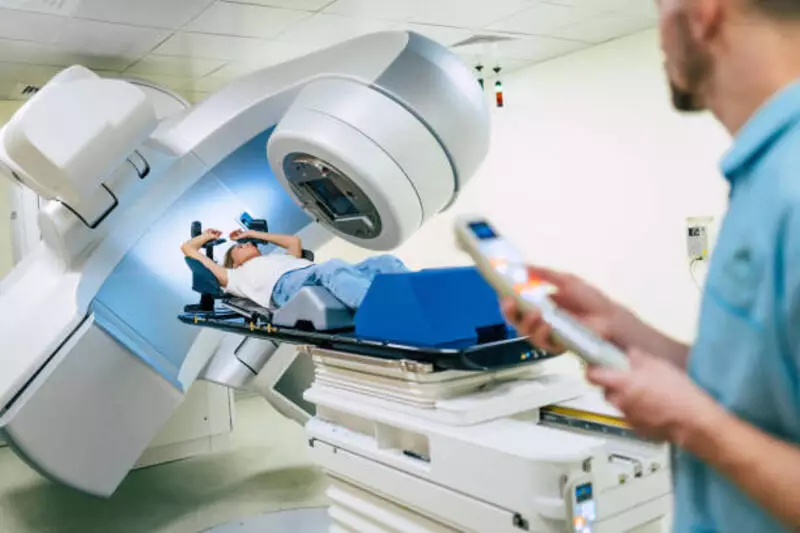
During the screening, you will be asked to lie on a table that passes through the CT scanner. The process is painless and typically takes just a few minutes.
Interpreting the Results
Understanding the results of your screening is vital. The radiologist will examine the images and provide a report. Abnormal findings may require further testing or evaluation.
Follow-Up Steps
If your screening results are concerning, follow-up steps are necessary. This could involve additional imaging, biopsies, or consultations with specialists.
Cost and Insurance Coverage
The cost of lung cancer screening can vary. It's important to check with your insurance provider to understand coverage and potential out-of-pocket expenses.
Making an Informed Decision
Deciding whether to undergo lung cancer screening is a personal choice. It's crucial to weigh the benefits and risks in consultation with your healthcare provider.
Personal Stories: The Impact of Screening
To illustrate the importance of screening, we've gathered personal stories from individuals whose lives were positively impacted by early detection.
Conclusion
In conclusion, lung cancer screening is a powerful tool in the fight against this deadly disease. It can save lives by detecting cancer in its early stages when treatment is most effective.