


Have you ever paused to consider the profound importance of each breath you take? In the hustle and bustle of daily life, it's all too easy to overlook the intricacies of our respiratory system. Yet, the ability to breathe effortlessly is foundational to our overall well-being. This blog aims to unravel the complexities of the respiratory system, delve into common respiratory disorders, and offer valuable insights into maintaining optimal lung health. So, let's embark on a detailed journey to understand why breathing matters.
Breathing is an involuntary action vital to life, yet often taken for granted. The respiratory system, comprising the lungs and airways, plays a pivotal role in this essential function. However, various factors can disrupt this system, leading to respiratory illnesses that impact one's health and well-being significantly.
Importance of Understanding Respiratory Health
Understanding respiratory health is crucial as it empowers individuals to recognize symptoms, adopt preventive measures, and seek timely medical assistance. Respiratory illnesses encompass a broad spectrum of conditions, ranging from common ailments like the flu to more severe disorders such as asthma, chronic obstructive pulmonary disease (COPD), and even life-threatening diseases like pneumonia or lung cancer.
Key Factors Affecting Respiratory Health
Environmental Influences: External factors like air pollution, allergens, and occupational hazards significantly impact respiratory health. Poor air quality can exacerbate existing conditions or trigger respiratory issues in otherwise healthy individuals.
Lifestyle Choices: Smoking, sedentary habits, and poor dietary choices can compromise lung health. Smoking, in particular, is linked to a plethora of respiratory disorders, making it imperative to quit or avoid this habit altogether.
Genetic Predisposition: Some individuals may have a genetic predisposition to certain respiratory disorders, highlighting the importance of personalized care and early detection.
Understanding Respiratory Disorders
Common Respiratory Conditions:
-
Asthma: A chronic condition characterized by inflammation and narrowing of the airways, resulting in breathing difficulties.
-
COPD: A progressive lung disease encompassing chronic bronchitis and emphysema, often caused by long-term exposure to irritants.
-
Pneumonia: An infection causing inflammation in the air sacs of the lungs, leading to symptoms like cough, fever, and difficulty breathing.
Importance of Respiratory Wellness:
Maintaining respiratory wellness involves adopting a holistic approach:
-
Regular Exercise: Engaging in breathing exercises and physical activities can strengthen respiratory muscles and improve lung capacity.
-
Healthy Diet: Consuming a balanced diet rich in antioxidants and nutrients supports lung health and immunity.
-
Avoiding Respiratory Hazards: Limiting exposure to pollutants, allergens, and quitting smoking are crucial steps toward preserving respiratory wellness.
Importance of Breathing Exercises
Breathing exercises are instrumental in enhancing lung capacity, improving respiratory muscle strength, and promoting overall respiratory wellness. These exercises play a pivotal role in managing various respiratory disorders and are beneficial for individuals seeking to maintain optimal lung health.
Types of Breathing Exercises:
-
Pursed Lip Breathing: Involves inhaling slowly through the nose and exhaling through pursed lips, helping to release trapped air in the lungs and improve breathing efficiency.
-
Diaphragmatic Breathing: Focuses on deep breathing, engaging the diaphragm to facilitate better air distribution in the lungs and alleviate shallow breathing patterns.
-
Alternate Nostril Breathing (Nadi Shodhana): A yoga-based breathing technique that aims to balance the flow of air through each nostril, promoting relaxation and reducing stress.
-
Lung-Strengthening Exercises: Physical activities like swimming, walking, and aerobic exercises aid in strengthening respiratory muscles and enhancing lung capacity.
Benefits of Breathing Exercises:
-
Improved Lung Function: Regular practice of breathing exercises helps expand lung capacity, allowing for better oxygenation and carbon dioxide elimination.
-
Stress Reduction: Controlled breathing techniques contribute to relaxation, reducing stress and anxiety levels, which can often exacerbate respiratory symptoms.
-
Enhanced Respiratory Efficiency: By training the respiratory muscles, breathing exercises optimize the exchange of gases in the lungs, leading to improved overall respiratory function.
Role of Online Doctor Consultation in Respiratory Health
In today's fast-paced world, accessing healthcare remotely has become increasingly convenient and essential, especially for individuals managing respiratory illnesses.
Advantages of Online Doctor Consultations for Respiratory Disorders:
-
Convenience: Virtual consultations eliminate the need for physical travel, making it easier for individuals with respiratory issues to access specialized care from the comfort of their homes.
-
Timely Access to Specialists: Online platforms connect patients with healthcare professionals specializing in respiratory health, ensuring prompt attention and tailored guidance.
-
Remote Monitoring: For individuals with chronic respiratory conditions, online consultations enable regular monitoring of symptoms, facilitating timely adjustments to treatment plans.
-
Educational Resources: Healthcare providers offer valuable information, including breathing techniques, lifestyle modifications, and medication management strategies, empowering patients to take an active role in their respiratory health.
Seeking Guidance and Treatment
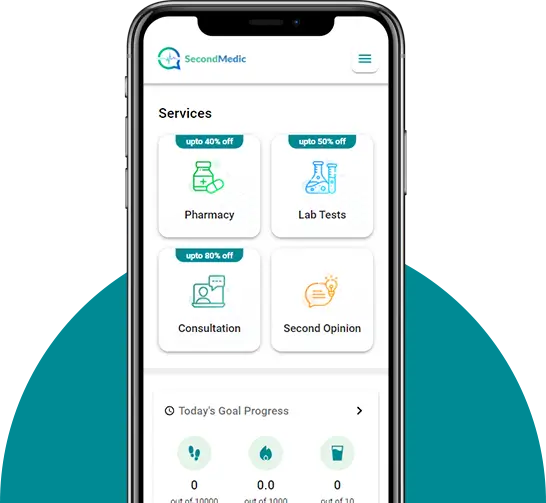
In the digital age, accessing information and healthcare resources has become more convenient. Online doctor consultation provide an avenue for individuals to seek guidance, especially in managing respiratory illnesses. Telemedicine offers access to specialized care, guidance on breathing exercises, and personalized treatment plans tailored to individual needs.
Conclusion
Breathing exercises, when incorporated into daily routines, can significantly contribute to improving respiratory function and overall well-being. Alongside these exercises, the availability of online doctor consultations serves as a vital resource in managing respiratory illnesses, offering guidance, support, and specialized care to individuals seeking to prioritize their lung health.
By embracing breathing exercises and utilizing online platforms for medical guidance, individuals can proactively manage respiratory conditions, fostering a better quality of life and a healthier future.
Remember, consistent efforts toward understanding and nurturing respiratory wellness lead to profound benefits for your overall health and vitality.