

High blood pressure, also known as hypertension, is one of the most common yet underestimated health conditions worldwide. Often referred to as the “silent killer,” high blood pressure rarely causes symptoms until serious complications occur. According to Indian Council of Medical Research data, a significant proportion of Indian adults have elevated blood pressure, many without knowing it.
Learning and following effective blood pressure control tips is crucial to protect heart, brain, kidney and overall health.
Understanding Blood Pressure
Blood pressure measures the force of blood against artery walls. It is recorded as two numbers:
-
systolic pressure (upper number)
-
diastolic pressure (lower number)
Persistently high readings strain blood vessels and organs.
Why Blood Pressure Control Is Important
Uncontrolled blood pressure increases the risk of:
-
heart attack
-
stroke
-
kidney disease
-
vision loss
-
cognitive decline
Early control significantly reduces these risks.
Why High Blood Pressure Often Goes Unnoticed
Many people feel normal even with elevated BP. This leads to:
-
delayed diagnosis
-
lack of treatment
-
silent organ damage
Regular monitoring is essential.
Effective Blood Pressure Control Tips
Maintain a Balanced Diet
Diet strongly influences blood pressure.
Key dietary habits include:
-
reducing salt intake
-
eating fruits and vegetables
-
choosing whole grains
-
limiting processed foods
The DASH-style eating pattern has shown strong BP-lowering effects.
Limit Salt Intake
Excess sodium causes water retention and increases blood pressure.
ICMR recommends limiting daily salt intake to less than 5 grams.
Stay Physically Active
Regular physical activity:
-
strengthens the heart
-
improves blood flow
-
reduces BP naturally
Aim for at least 30 minutes of moderate activity most days.
Maintain Healthy Body Weight
Excess weight increases vascular resistance.
Even modest weight loss can significantly lower blood pressure.
Manage Stress Effectively
Chronic stress contributes to sustained BP elevation.
Stress management techniques include:
-
deep breathing
-
meditation
-
yoga
-
regular breaks
Get Adequate Sleep
Poor sleep disrupts BP regulation.
Aim for consistent, quality sleep each night.
Limit Alcohol Intake
Excessive alcohol raises blood pressure and reduces medication effectiveness.
Moderation is key.
Quit Tobacco Use
Smoking damages blood vessels and worsens hypertension risk.
Tobacco cessation improves BP control and heart health.
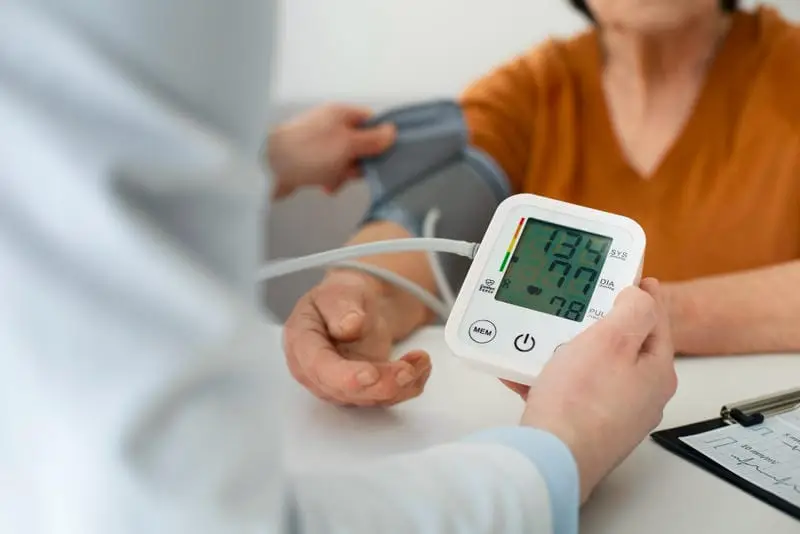
Monitor Blood Pressure Regularly
Home BP monitoring:
-
detects early changes
-
tracks treatment response
-
improves long-term control
Keep a BP record for medical consultations.
Role of Medications in BP Control
When lifestyle changes are insufficient, medications may be required.
Medication:
-
reduces cardiovascular risk
-
protects organs
-
improves long-term outcomes
Always follow medical advice.
Importance of Preventive Health Checkups
Routine checkups help:
-
detect hypertension early
-
identify risk factors
-
personalise treatment plans
Prevention is more effective than late treatment.
Common Myths About Blood Pressure
“I feel fine, so my BP must be normal.”
High BP often has no symptoms.
“Only older people get hypertension.”
Young adults are increasingly affected.
“Once controlled, BP doesn’t need monitoring.”
Ongoing monitoring is essential.
When to Seek Medical Advice
Consult a doctor if:
-
BP readings remain high
-
headaches, dizziness or chest pain occur
-
family history of heart disease exists
Timely care prevents complications.
Long-Term Benefits of BP Control
Effective BP control leads to:
-
lower heart disease risk
-
better kidney health
-
improved brain function
-
longer life expectancy
Small daily changes create long-term benefits.
Conclusion
Following proven blood pressure control tips is essential for protecting cardiovascular and overall health. High blood pressure may not cause immediate symptoms, but its long-term impact can be severe. By adopting healthy eating habits, staying active, managing stress, monitoring BP regularly and seeking timely medical care, individuals can effectively control blood pressure and reduce the risk of life-threatening complications. Blood pressure control is not a one-time effort—it is a lifelong commitment to better health.
References
-
Indian Council of Medical Research (ICMR) – Hypertension and Cardiovascular Risk Studies
-
National Family Health Survey (NFHS-5) – Blood Pressure Prevalence Data
World Health Organization (WHO) – Hypertension Management Guidelines -
NITI Aayog – Non-Communicable Disease Prevention Report
-
Lancet – Global Hypertension and Cardiovascular Health Studies
Statista – Hypertension Trends and Health Data