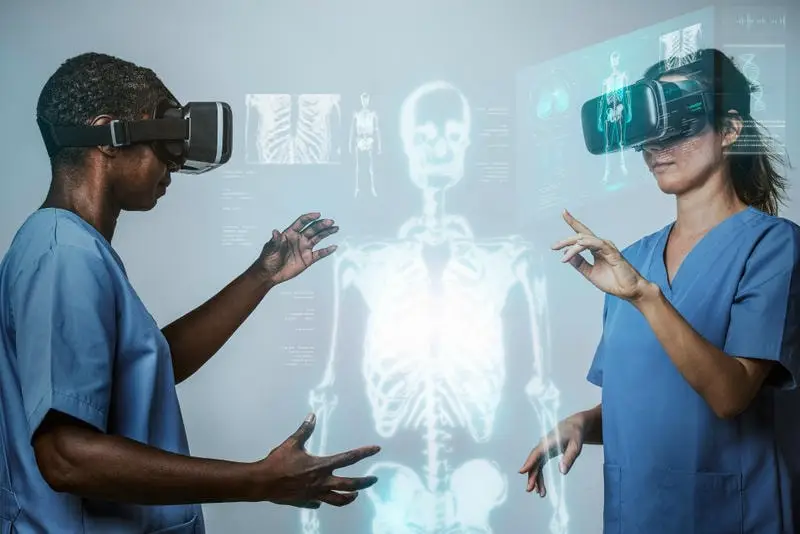


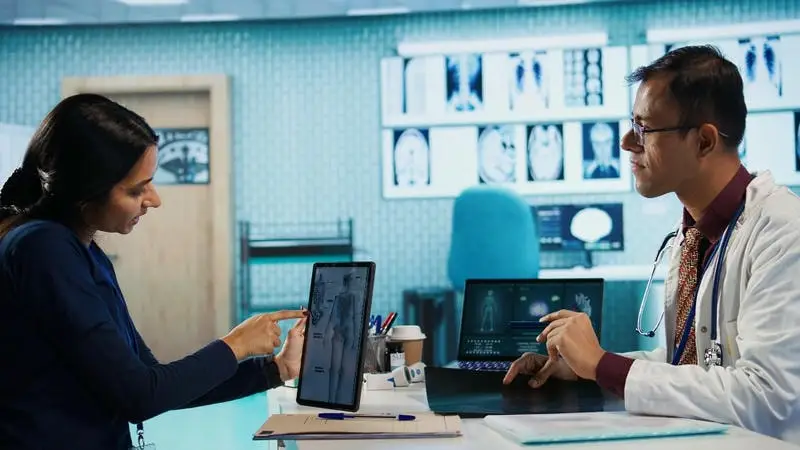
AI-based radiology reporting is emerging as a powerful solution within India’s healthcare system, addressing long-standing challenges such as specialist shortages, delayed imaging interpretation, and inconsistent diagnostic quality. With rising imaging demand and a growing burden of chronic and acute diseases, India requires advanced tools that enhance accuracy, streamline workflows, and support radiologists in handling high-volume workloads. AI-driven imaging interpretation offers a breakthrough by automatically analyzing X-rays, CT scans, MRIs, and other modalities with remarkable precision.
As the country accelerates digital healthcare adoption under initiatives like ABDM, AI in radiology is becoming increasingly viable. SecondMedic integrates AI-based radiology reporting to make imaging analysis faster, clearer, and more actionable for both clinicians and patients. By combining advanced algorithms with expert radiologist oversight, AI enhances diagnostic confidence and ensures that critical findings are detected early.
Why AI Matters in Indian Radiology
Radiology in India faces several structural challenges. According to industry analyses, India has a significantly lower radiologist-to-population ratio compared to global benchmarks. This leads to delayed reporting, especially in middle-tier cities and rural areas. Radiologists often operate under high workload conditions where fatigue can lead to oversight, variability, and delayed turnaround times.
AI-based radiology tools support the system by:
-
Reducing reporting delays
-
Enhancing diagnostic consistency
-
Detecting subtle abnormalities often overlooked manually
-
Supporting radiologists during emergencies
-
Increasing the overall efficiency of diagnostic centers
SecondMedic leverages AI tools to deliver more reliable and timely imaging reports to patients nationwide.
How AI-Based Radiology Reporting Works
AI radiology systems use deep learning and computer vision models trained on large datasets of medical images. These models can identify thousands of patterns, shapes, textures, densities, and anomalies that correlate with diseases.
Core imaging data analyzed includes:
-
Lung opacities and nodules
-
Bone fractures and joint abnormalities
-
Brain lesions, hemorrhages, and tumors
-
Cardiac chamber sizes and vascular issues
-
Liver, kidney, and abdominal organ anomalies
-
Breast tissue patterns in mammography
AI algorithms evaluate every pixel, often detecting abnormalities invisible to the human eye, especially in earlier disease stages.
Speed and Accuracy: The Two Pillars of AI Radiology
One of the greatest benefits of AI reporting is speed. Traditional radiology workflows often involve manual interpretation, dictation, and documentation. AI significantly reduces this process by generating preliminary reports and highlighting critical regions instantly.
AI improves speed by:
-
Automated abnormality detection within seconds
-
Fast triage of urgent or high-risk scans
-
Pre-filled structured reporting templates
-
Prioritization of emergency findings for radiologists
Accuracy is enhanced through consistency. AI evaluates each scan with the same precision, eliminating fatigue-related variability. When radiologists review AI-assisted outputs, accuracy improves further through combined intelligence.
Early Disease Detection Through AI Imaging
One of the biggest advantages of AI radiology reporting is early detection. Many diseases progress silently before showing clinical symptoms. Imaging AI can pick up small, subtle changes long before they become large, visible abnormalities.
Examples include:
-
Early lung nodules or fibrosis patterns
-
Micro-hemorrhages or early neurodegenerative markers
-
Small breast lesions in mammography
-
Early-stage liver or kidney structural changes
-
Minimal bone density alterations indicating early osteopenia
SecondMedic integrates AI tools that alert radiologists to these early findings, improving the chances of successful early treatment.
Supporting Radiologists, Not Replacing Them
AI does not replace radiologists; instead, it enhances their ability to interpret images efficiently and accurately. Human expertise remains central in making complex clinical judgments, while AI focuses on pattern recognition and standardized measurements.
AI supports radiologists by:
-
Highlighting potential problem areas
-
Suggesting measurements and comparisons
-
Prioritizing urgent imaging cases
-
Reducing time spent on routine scans
-
Providing structured summary drafts
This synergy enhances diagnostic output and clinical reliability.
Applications of AI Radiology in India
AI-based radiology reporting has wide-ranging applications across healthcare settings.
1. Emergency Departments
Helps rapidly identify stroke, trauma, hemorrhage, or pneumothorax.
2. Cancer Screening
AI identifies early cancer patterns, improves tumor detection, and supports oncology workflows.
3. Rural and Remote Healthcare
Tele-radiology with AI improves access to faster reporting in regions with limited radiologist availability.
4. Chronic Disease Monitoring
Periodic imaging can be compared automatically to track progression or regression.
5. Preventive Health Programs
AI aids in early detection efforts for lung, breast, and abdominal diseases.
Challenges and Considerations
India’s healthcare AI ecosystem continues to evolve. While AI tools offer great promise, certain considerations are essential.
Challenges include:
-
Need for high-quality training datasets
-
Ensuring clinical validation and regulatory oversight
-
Managing variations in imaging machine quality
-
Avoiding algorithmic bias
-
Protecting patient data under DPDP regulations
SecondMedic follows ethical AI best practices to ensure safe and clinically reliable imaging analysis.
Future of AI Radiology in India
Over the next decade, AI radiology will expand with new advancements such as:
-
Real-time MRI interpretation
-
Fully automated CT segmentation
-
Multi-modal imaging analysis
-
AI-driven reporting dashboards
-
Predictive imaging for early disease forecasts
-
Integration with national health records for longitudinal tracking
As AI becomes more embedded in clinical workflows, radiologists will transition from just interpreting images to managing AI-assisted diagnostics.
SecondMedic aims to lead this evolution by building strong AI capabilities that integrate seamlessly into radiology workflows and digital health platforms.
Conclusion
AI-based radiology reporting India is transforming the speed, accuracy, and reliability of imaging interpretation. By leveraging deep learning algorithms to detect abnormalities and support clinical decision-making, AI empowers radiologists to work more efficiently and deliver consistent, high-quality care. From early disease detection to emergency triage, AI imaging tools play a crucial role in modern healthcare.
SecondMedic continues to expand its AI-enabled diagnostic ecosystem to bring timely, accurate radiology insights to patients across India.
To access AI-supported radiology and digital healthcare services, visit www.secondmedic.com
References
NITI Aayog – AI Radiology India
WHO – AI in Medical Imaging
IMARC – Indian Diagnostic Imaging Market
ICMR – Radiology Reporting Standards
FICCI – Imaging Technology India